
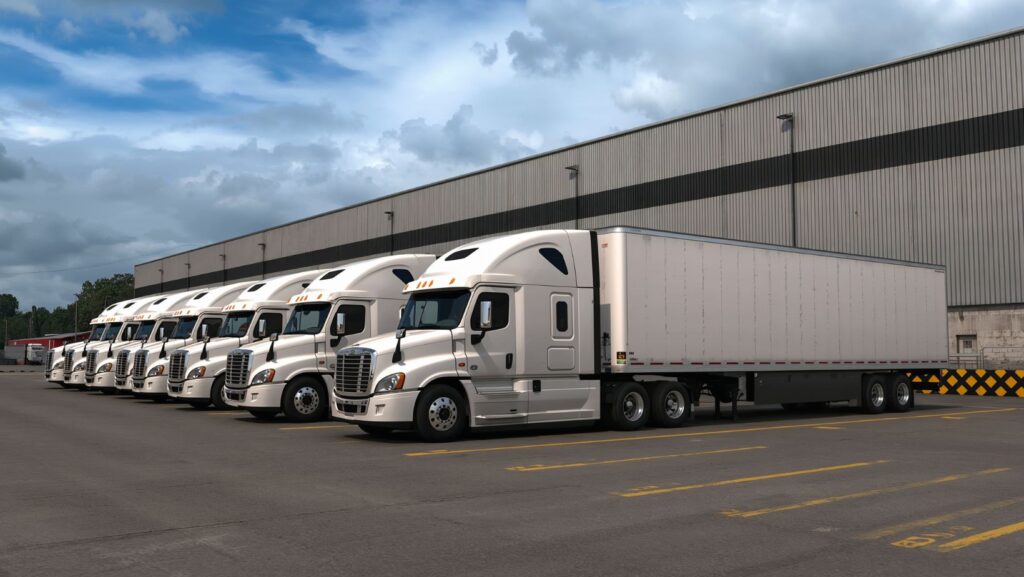
Electric trucks are not just diesel trucks with a different fuel; they reshape how fleets think about routes, downtime, maintenance, and planning. A diesel operation is built around fast refueling and a wide network of stations, while electric operations depend on access to charging, power availability, and careful scheduling. For many fleets, the rollout starts with a mix of goals: cutting local emissions, lowering certain operating costs, meeting customer requirements, and preparing for future regulations. Yet the transition is not a single purchase decision. It becomes an operational redesign in which dispatchers, drivers, technicians, and facility teams adjust their habits. Fleets also have to manage uncertainty, including changes in incentive programs, evolving vehicle models, and charging standards. The early stages usually focus on predictable duty cycles where electric trucks can succeed without disrupting service. Over time, fleets expand into more challenging routes, but only after building confidence in charging reliability, performance in different weather, and total cost tracking. Adaptation happens through pilots, data collection, and gradual changes that keep service levels steady.
Why Electrification Changes Fleet Operations Fast
- Choosing routes that match battery reality
Most fleets begin electrification by matching electric trucks to routes with stable mileage, known dwell times, and dependable return-to-base patterns. Urban delivery, port drayage, and regional runs that loop back to a depot are common starting points because charging can be centralized and planned. Dispatchers learn to treat the state of charge like a scheduling constraint, similar to hours of service, but with different triggers. Charging windows must fit into loading, unloading, driver breaks, and yard time, so route design becomes a balancing act. Some fleets adjust delivery sequences to reduce highway speed peaks, because aerodynamic drag can lower range at higher speeds. Others add midday charging for multi-shift operations, which requires chargers capable of handling higher power and a yard layout that avoids congestion. Cold-weather planning also becomes part of routing, since heating demands and battery behavior can reduce range. Fleets in dense corridors, including those of Transportation Companies in Montreal, often carefully evaluate winter duty cycles because snow, slush, and temperature swings can alter energy use patterns and turnaround times. The route selection stage is where fleets protect themselves from early failures, because a well-matched pilot creates confidence and training momentum.
- Building depot charging without disrupting dispatch
Depot charging is a construction and operations project, not just an equipment purchase. Fleets have to evaluate electrical capacity, transformer limits, utility timelines, and site layout before chargers arrive. A yard that worked smoothly for diesel trucks can become chaotic if charging stalls block traffic flow or force inefficient parking patterns. Many fleets redesign staging lanes to allow vehicles to plug in during natural dwell times, such as after a shift or during scheduled loading gaps—charger type selection matters. Lower-power chargers may be sufficient for overnight charging on short routes, while higher-power chargers support faster turnarounds but require greater electrical upgrades. Fleets also add software to manage charging queues, prioritize vehicles with early departures, and avoid peak electricity rates. Demand charges can be significant in some markets, so charging schedules may be optimized to reduce spikes in costs. Regulatory fees factor into cost tracking as well; California operators, for example, budget for how much a motor carrier permit in California runs at each renewal.

Some fleets add on-site energy storage or solar to smooth demand, though those choices depend on economics and space constraints. The key adaptation is treating electricity like a managed resource, with planning around when trucks charge, how long they stay plugged in, and how to keep the yard moving while charging becomes a normal part of the workflow.
- Training drivers and changing daily habits
Driver adaptation is central to successful rollout because electric trucks behave differently. Acceleration can feel stronger, regenerative braking changes deceleration patterns, and quiet operation can affect situational awareness. Fleets provide training on smooth driving techniques that protect range, reduce tire wear, and make regenerative braking more predictable. Drivers also learn how accessory loads matter. Cab heating, defrost, and auxiliary power can reduce range, so drivers are taught how to use climate controls efficiently without compromising safety. Preconditioning is another habit shift. Some trucks can warm or cool the battery and cab while plugged in, improving comfort and preserving range at departure. Drivers also become part of the charging routine, checking connector seating, confirming charging starts, and reporting faults quickly. Dispatch communication changes as well. A driver’s range estimate is not just a guess; it can be supported by telematics, but it still depends on driving style, weather, and payload. Fleets that succeed treat driver feedback as operational data, using it to refine routes, set realistic buffers, and adjust training. A calm training approach reduces resistance and turns drivers into partners who help identify what works and what needs adjustment.
Building a steady transition without service disruption
Trucking fleets adapt to electric truck rollout by redesigning routes, depots, training, and maintenance practices so charging becomes a reliable part of the operating day. The transition usually starts with predictable routes that return to base, where charging can be controlled, and range risk stays low. Depot planning requires electrical upgrades, yard layout changes, and smart scheduling to avoid congestion and manage electricity costs. Driver training focuses on regenerative braking, smooth driving, and efficient climate control, while maintenance shifts toward high-voltage safety, thermal management, software diagnostics, and predictive monitoring, supported by telematics. Cost management depends on careful tracking of energy use, uptime, and incentives, with growth in phases that match infrastructure readiness. Over time, fleets build confidence, expand into more complex duty cycles, and refine operations based on real data rather than assumptions. The rollout succeeds when service reliability stays steady, employees feel supported through the changes, and the fleet treats electrification as an operational system upgrade rather than a one-time vehicle purchase.