
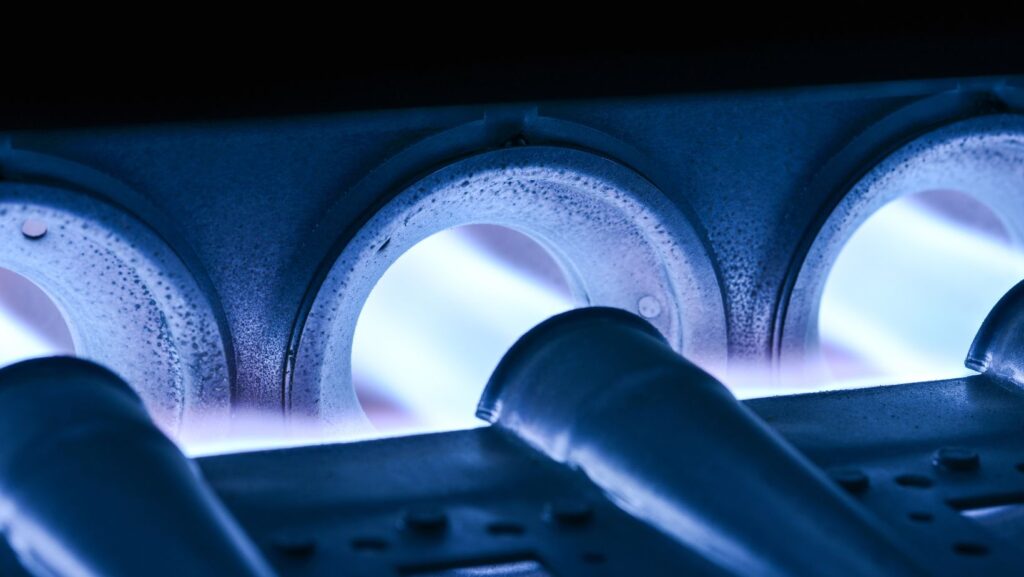
Short cycling happens when a furnace turns on, runs briefly, then shuts off before the home reaches a steady, comfortable temperature. On mild winter days, this can feel confusing because the weather does not seem harsh, yet the system behaves erratically. The issue is often linked to how quickly the furnace responds to the thermostat, how heat moves through the home, or how safety controls respond when conditions are not ideal. Short cycles can reduce comfort, increase component wear, and increase energy use because each start-up is the most demanding part of the operation. Mild outdoor temperatures also create conditions in which small problems become more noticeable, such as oversizing, airflow restrictions, and thermostat placement. Understanding the causes helps homeowners recognize patterns, describe symptoms clearly, and choose practical fixes that fit their situation.
What Causes Mild Day Cycling
- Oversized Furnaces and Fast Temperature Swings
One common reason furnaces short-cycle on mild winter days is oversizing. When a stove has more heating capacity than the home needs at that moment, it can quickly raise the air temperature near the thermostat, satisfying the setpoint before the rest of the house has warmed evenly. The thermostat shuts off the furnace, the warm air near the thermostat cools, and the call for heat returns soon after. This pattern is more noticeable on mild days because the heating load is low, so the furnace only needs a modest runtime to maintain comfort. Oversizing can result from replacing a unit with the same capacity without recalculating heat loss, finishing spaces without adjusting the duct design, or installing a furnace designed for colder conditions than the home typically experiences. Even if the stove is not massively oversized, a high-output stage that starts too often can create the same effect. This also ties into how the thermostat anticipates temperature changes. Some thermostats use algorithms to avoid overshoot, but they still respond to rapid local warmups. Mild weather exposes this because the system rarely needs long, steady runs that smooth out temperature differences from room to room.
- Airflow Restrictions and High Limit Trips
Another major driver of short cycling is airflow restriction that causes the furnace to overheat internally. When airflow is reduced, heat builds up in the heat exchanger, and the high-limit switch can shut off the burners to protect the system. The blower may continue to run, the furnace cools, and then the burners restart, creating a repeating cycle that appears to be short cycling. On mild days, people often run the furnace less, so filters may be neglected, registers may be closed in unused rooms, and return pathways can be blocked by furniture or rugs. These choices increase static pressure and reduce the volume of air flowing through the heat exchanger. Duct issues can add to it, including crushed flex ducts, undersized returns, or dampers left in the wrong position. If the furnace cabinet is in a tight closet, a poor supply of combustion air can also contribute to unstable operation. A technician performing Furnace Repair Service will often check the filter condition, blower speed settings, temperature rise, and supply and return pressure to determine whether overheating protection is driving the cycling. Correcting airflow can immediately improve cycle length and comfort while also reducing stress on components.
- Thermostat Placement and Control Settings
Thermostat-related causes are especially common on mild winter days because small heat gains can tip the control logic. If the thermostat sits near a supply register, in direct sun, close to a kitchen, or on a wall affected by a warm mechanical chase, it may sense a sudden temperature spike that does not reflect the rest of the house. The furnace shuts off early, then restarts once the local spot cools. Drafts can create the opposite problem, where the thermostat senses cool air and calls for heat too often. Another factor is thermostat settings, including cycle rate, heat anticipator behavior, and adaptive recovery modes, which can cause shorter runs when the weather is mild. Some modern thermostats try to maintain tight temperature control by using more frequent but shorter calls, which can feel like short cycling even when the system is working normally.
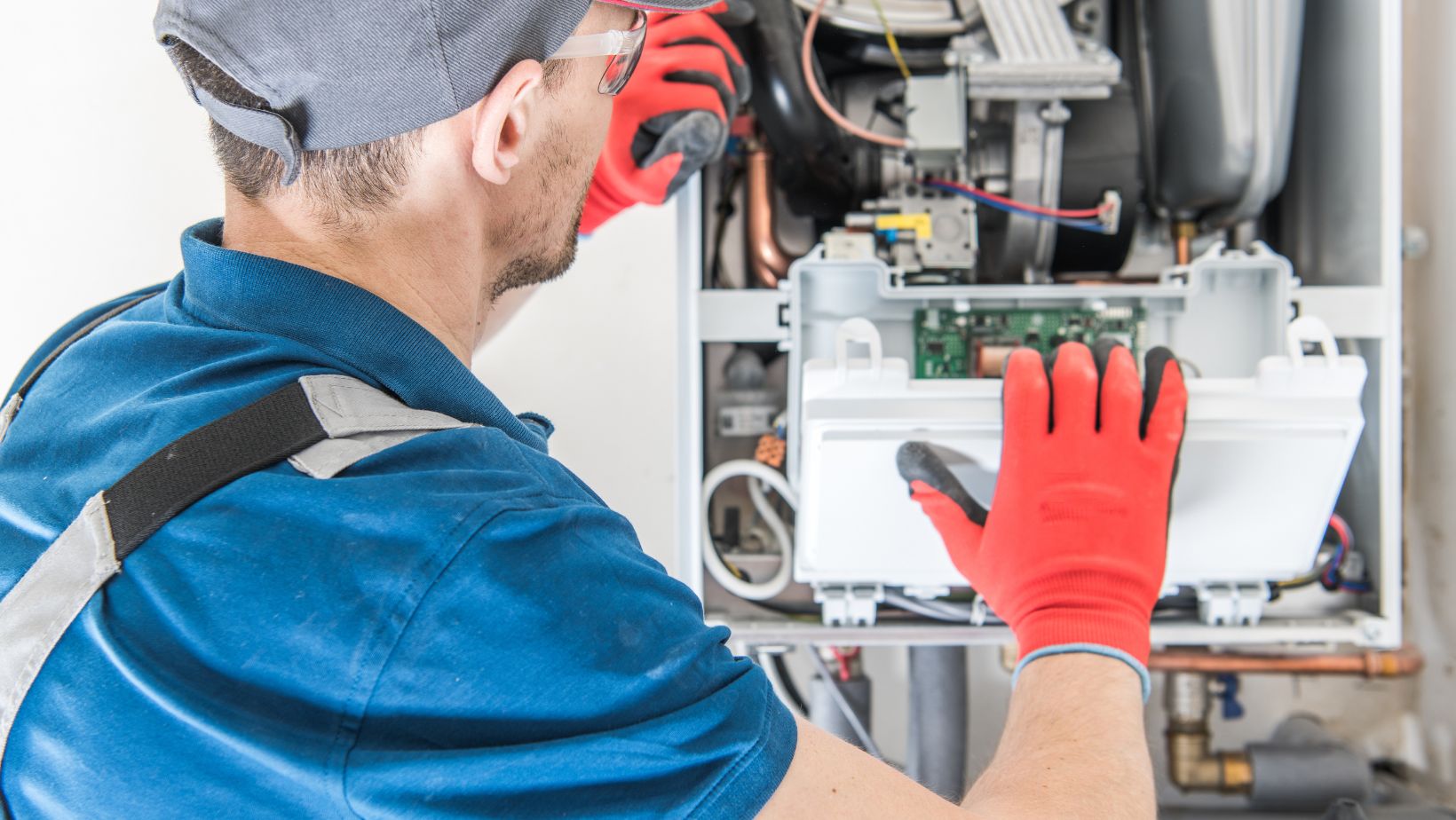
However, if the run times are extremely short, such as only a couple of minutes, that often points to a placement or equipment issue rather than a control strategy. It helps to compare thermostat readings with a separate thermometer placed nearby but away from airflow. If the thermostat routinely reads warmer or cooler than the space, the furnace is being controlled by a misleading signal. Adjusting placement, sealing wall cavities behind the thermostat, and reviewing settings can improve cycle behavior without touching the stove itself.
Furnaces run on a short cycle on mild winter days because the heating load is low, and even small issues can make run times too short. Oversizing can quickly warm the thermostat location while leaving other areas behind, leading to frequent on/off patterns. Airflow restrictions can trigger high-limit protection that shuts off the burners early, often due to dirty filters, closed registers, or duct problems. Thermostat placement and control settings can lead to rapid satisfaction or frequent calls that do not reflect the home’s true average temperature. Mild weather can also reveal combustion and venting challenges, including pressure switch trips, condensate drainage issues, and flame-sensing problems that stop burners for safety. Paying attention to where the thermostat is located, how long the burners run, and whether the shutdown seems protective or temperature-related can quickly narrow the cause. When cycle times are consistently very short or comfort is uneven, a proper inspection can confirm the driver and prevent unnecessary wear.