
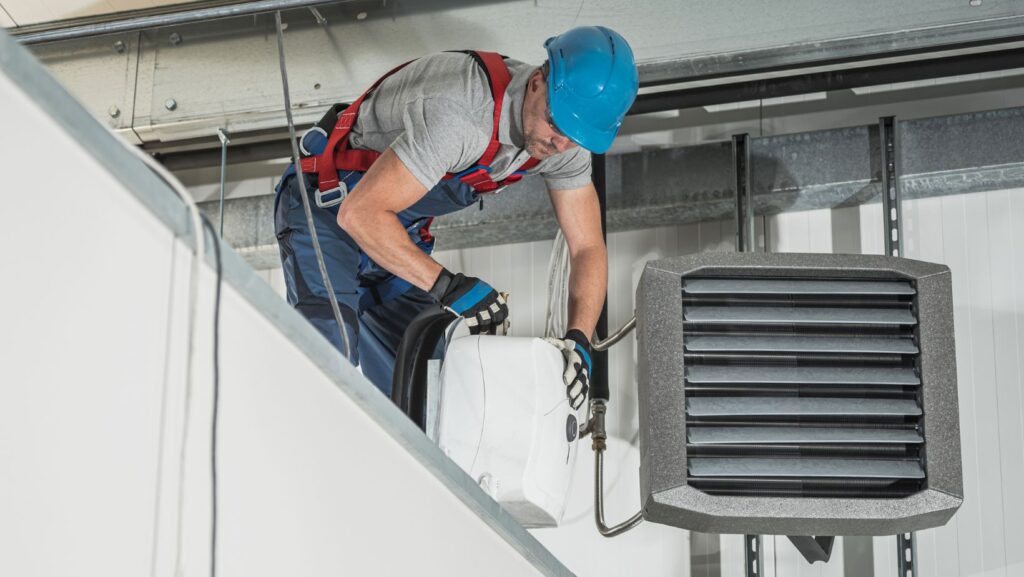
Variable-speed HVAC systems are designed for the reality that most homes rarely need full heating or cooling capacity for long. Outdoor temperatures fluctuate, sun angles change, appliances add heat, and occupancy varies throughout the day, so the system’s actual load often sits at a partial level. Traditional single-stage equipment responds to that reality by cycling on and off at full output, which can create temperature swings, humidity inconsistencies, and wasted energy from frequent starts. Variable-speed designs take a different approach, adjusting compressor and blower output to match the load more closely. That means longer, steadier run times at lower power levels instead of short bursts at maximum power. When correctly sized and set up, this style of operation can keep indoor comfort steadier while reducing wear on components that dislike rapid cycling. Partial load handling is not only a feature but also the normal operating mode for these systems, and understanding how they modulate helps homeowners recognize what normal performance looks like.
Modulation Is The Main Advantage
- How variable speed modulation matches real demand
At the core of a variable-speed system is the ability to adjust capacity in small steps or over a smooth range, depending on the design. Many systems use an inverter-driven compressor that can ramp its speed up or down, which changes refrigerant flow and the amount of heat moved per minute. The indoor blower also adjusts, keeping airflow aligned with the cooling or heating output so the coil stays in an efficient operating range. At partial loads, the compressor may run at a low speed for extended periods, holding the indoor temperature close to the setpoint without overshooting. This steadier operation reduces the stop-and-start losses that occur when motors repeatedly kick on, and it helps avoid the quick bursts of cold air that can feel drafty. Instead of waiting for the thermostat to drift far from the target, the system makes gentle corrections and maintains a narrower comfort band. The result is often quieter operation, more stable room temperatures, and fewer abrupt changes in air movement. Partial-load performance can also be improved by using thermostat logic that anticipates trends, such as a sunny-afternoon rise, rather than reacting late with a full power cycle.
- Humidity control and longer run behavior
Partial loads matter most during the shoulder seasons and on mild summer days when a home needs some cooling but not much. This is where variable-speed equipment can help keep indoor humidity more consistent, as it can keep the coil cold long enough to remove moisture without dropping the temperature too quickly. Longer runtimes allow more air to pass over the coil, condensing more water, while lower airflow settings can enhance dehumidification by increasing contact time. Many systems also adjust blower speed during cooling to balance sensible cooling and moisture removal, which can make the home feel comfortable at a slightly higher thermostat setting. If humidity remains high despite long runtimes, it can indicate airflow, duct leakage, or control issues that should be checked.
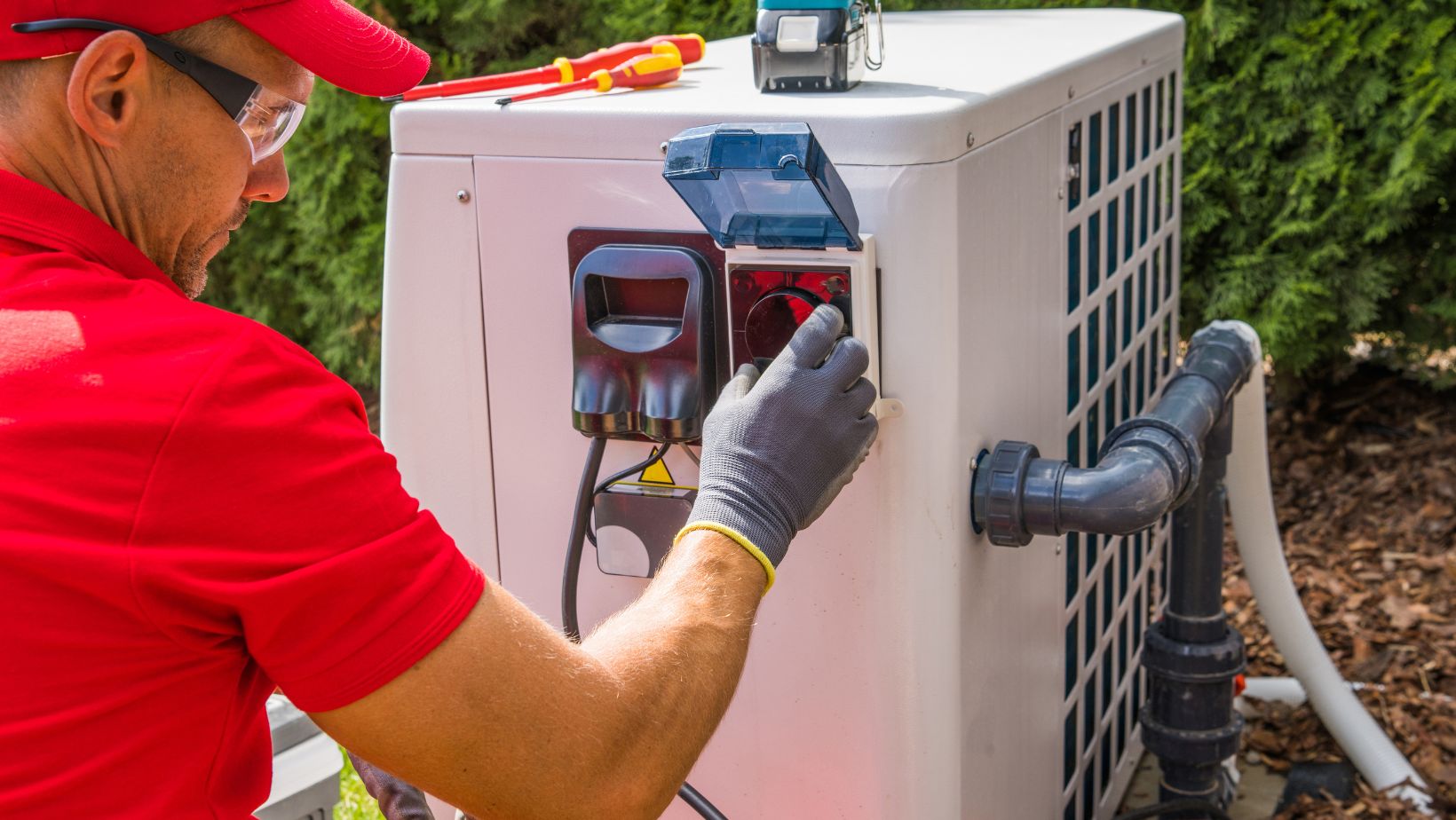
A seasonal Furnace Repair visit can uncover blower calibration problems or improper static pressure that prevents the system from operating as intended. Another benefit of longer, low-speed operation is more even air mixing through the home, which reduces hot and cold pockets that often appear when a system blasts air for a few minutes and then sits idle. This is noticeable in multi-story homes, where temperature stratification is common.
- What the controls are doing at partial load
Variable-speed performance depends heavily on control strategies that determine how fast the compressor and blower run. Modern systems may use changes in indoor temperature, outdoor temperature sensors, coil temperature feedback, and, sometimes, pressure readings to modulate capacity. Rather than a simple on-off command, the thermostat communicates a demand level, and the equipment selects an operating point that meets that demand efficiently. Some designs aim to run as low as possible to maintain the setpoint, while others use staged ramping to prevent coil freezing or to manage noise. During partial-load heating, the system may operate at a lower gas input or lower compressor speed in heat pump mode, depending on the equipment type. Blower modulation is also used to improve comfort, such as starting at a low airflow to reduce drafts and then increasing airflow to distribute air evenly. When the system senses that the home is close to the setpoint, it may slow down further instead of shutting off, which keeps temperature drift small. This may seem unusual to someone used to loud cycles, but it is normal for variable-speed equipment to run for long periods at a gentle output.
Variable-speed HVAC systems handle partial loads by modulating compressor and blower output to match real-time demand instead of repeatedly switching on at full power. This allows longer, steadier runtimes that keep temperatures more stable, reduce start stop wear, and often improve humidity control during mild conditions. Control strategies and airflow setup determine how well modulation works, so proper sizing, duct performance, and correct settings are critical. When tuned correctly, partial-load operation becomes the normal state, delivering quiet comfort and consistent indoor conditions regardless of changing weather.