
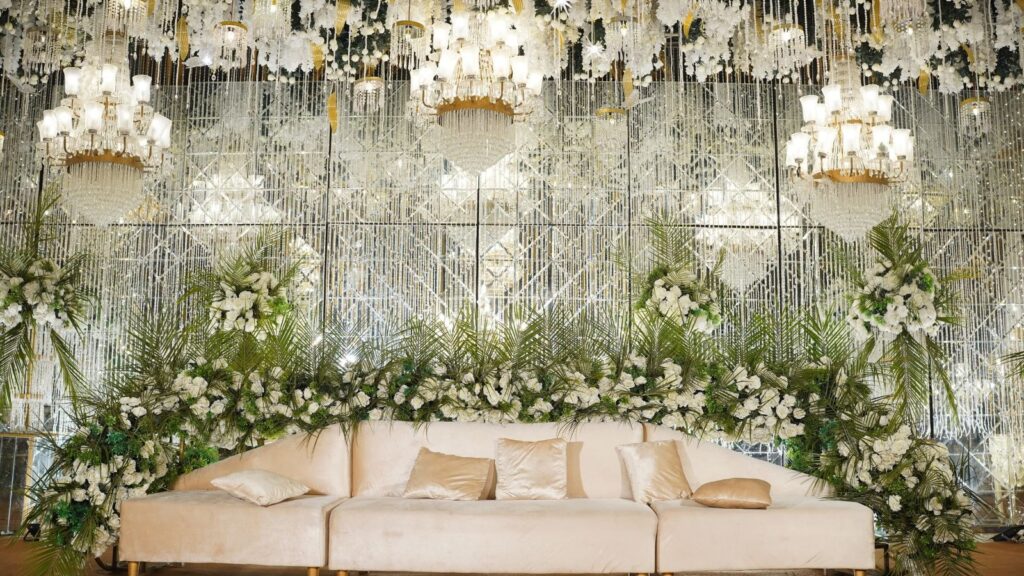
What role do event blooms play in the overall look of a celebration? Atmosphere, location, and cost all influence the final result. A bit of planning helps arrangements feel connected across the space. Smart choices often support smoother coordination from start to finish.
Define the Look Before Choosing Blooms
A clear aesthetic direction helps narrow floral options early. Wedding Flowers usually mirror the tone set by attire, décor accents, and color palettes. Soft neutrals may suit a classic feel, while bold shades can support a modern vibe. This link between style and botanicals aids visual unity.
Inspiration boards or fabric samples offer helpful visual reference points. Photos of table settings, invitations, and lighting add context. Shared references may help improve communication with designers. Clear direction reduces last-minute changes.
Factor in the Venue Environment
Every venue brings its own design considerations. Large ballrooms often handle tall arrangements better than compact dining spaces. Outdoor locations tend to pair well with relaxed, organic shapes. Architectural features indoors may call for structured designs.
Natural and artificial light both affect color appearance. Bright daylight keeps tones crisp and clear. Dim settings soften pale hues and deepen darker ones. Awareness of lighting helps guide smart bloom choices.
Key Venue Elements to Review
Several site details can shape floral decisions:
- Table size and guest seating layout
- Indoor climate or outdoor weather exposure
- Ceremony and reception distance
- Floor and wall textures
Each point influences height, fullness, and stem type. Careful review may help improve balance across décor pieces. These small checks support a cohesive setting.
Set a Realistic Floral Budget
Clear spending limits help focus selection. Rare varieties or imported stems often come at higher prices. Seasonal blooms usually offer better availability and value. This approach aids cost control without sacrificing visual appeal.
Distribution of funds across décor categories also matters. A few statement pieces can reduce the need for many small accents. Smaller centerpieces spread evenly may shift budget priorities. Balanced planning supports smarter resource use.
Start With Seasonal Options
Blossoms that are in season often appear more vibrant. Local sourcing can reduce travel time and handling. This may help improve stem freshness throughout the event. Natural color palettes also align well with the time of year.
Weather compatibility plays a subtle role in performance. Some varieties hold shape better in heat, while others prefer cool air. Choosing suitable stems reduces the chance of wilt or droop. Reliable performance supports a polished presentation.
Keep Function in Mind
Floral design should suit the flow of the event. Bouquets need a comfortable grip and a manageable weight. Table pieces must allow easy conversation across the table. These factors affect guest comfort.
Set up and transport also require attention. Durable stems handle movement between spaces more easily. Lightweight designs simplify placement and minor adjustments. Practical choices help avoid unnecessary complications.
Great floral choices balance style, setting, and spending. Wedding Flowers selected with these elements in mind help create a space that feels cohesive and comfortable. Small, thoughtful decisions often shape the atmosphere. Careful preparation brings all décor pieces together smoothly.