
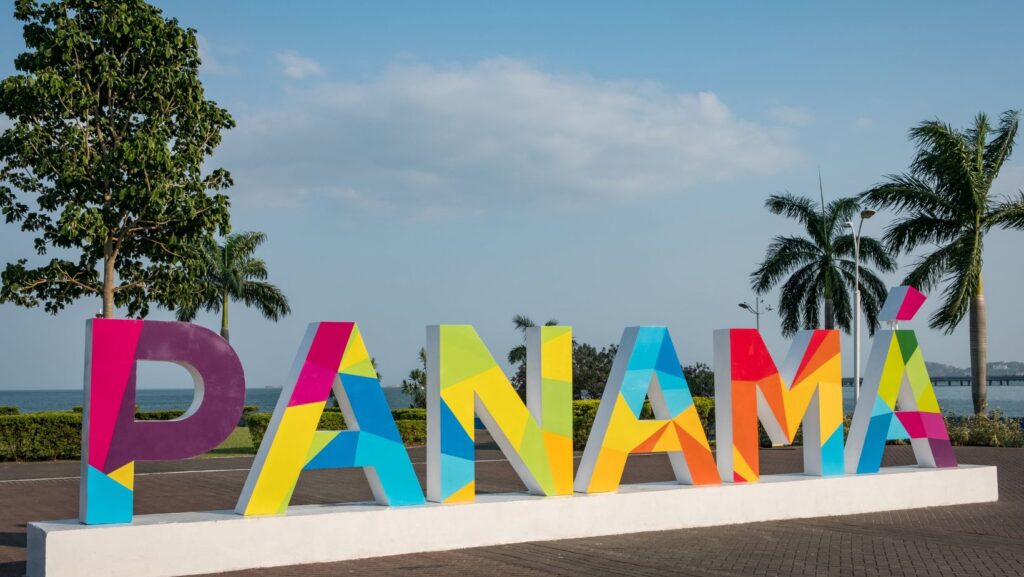
Global mobility has become a strategic consideration for entrepreneurs, remote professionals, retirees, and families who want stability beyond the limits of a single passport. Political shifts, economic uncertainty, and travel restrictions have prompted people to seek lawful ways to expand their international options. Panama has emerged as a practical jurisdiction for this purpose because of its geographic position, established legal frameworks, and openness to foreign residents.
We will explore how Panama residency can function as a tool to enhance mobility and long-term security, not as a shortcut, but as a structured approach to living, traveling, and planning internationally, often serving as an initial step for those researching options such as Panama citizenship by investment. By understanding how residency aligns with global access, financial continuity, and personal resilience, individuals can make informed decisions that support both present needs and future flexibility without unnecessary risk or complexity.
Strategic Advantages of Panama Residency for International Living
- Using Residency as a Platform for Visa-Free and Simplified Travel
Panama residency can significantly improve how individuals navigate international borders, even without changing their original nationality. While residency itself is not a passport, it creates a stable legal base outside one’s home country, which can ease travel planning and reduce dependency on a single jurisdiction. Residents of Panama often find it simpler to apply for visas to regions such as Latin America, parts of Europe, and Asia because they can demonstrate lawful residence, financial ties, and address stability. This matters for frequent travelers, consultants, and digital workers who must move across borders without repeated uncertainty.
Residency documentation, local address registration, and banking relationships can support visa applications by showing consistency and credibility. Additionally, Panama’s international connectivity through Tocumen International Airport makes it a functional travel hub, allowing residents to reach major global cities with fewer transit complications. Over time, this combination of legal residence and geographic access can reduce travel friction, limit disruptions, and enable more predictable movement across regions, a core component of global mobility planning.
- Enhancing Personal and Family Security Through Jurisdictional Diversification
Another critical dimension of Panama residency is the added layer of personal and family security it provides through diversification. Relying on a single country for legal status, healthcare access, banking, and residency rights can expose individuals to sudden regulatory or political changes. Establishing residency in Panama creates an alternative jurisdiction where one can legally reside, access services, and maintain continuity if circumstances shift elsewhere. This is particularly relevant for families with children, retirees on fixed incomes, or business owners whose operations span multiple countries. Panama’s legal system recognizes property rights and long-term residence structures that support stability rather than short-term stays.

Maintaining an active residency—such as keeping local records current and fulfilling renewal requirements—can function as a safety valve rather than an emergency reaction. In practice, this means having a place to relocate on short notice, enroll children in schools, access private healthcare, or manage daily life without starting from zero. Security here is not about fear-driven planning; it is about preparedness and resilience built through lawful, transparent residency options.
- Supporting Financial Flexibility and Cross-Border Planning
Financial continuity is closely tied to mobility, and Panama residency can play a meaningful role in structuring cross-border financial planning. Panama’s long-standing role as a regional financial center allows residents to establish local banking relationships, manage accounts in multiple currencies, and separate personal finances from any single national system. This can be valuable for entrepreneurs, freelancers, and investors who earn income internationally and need operational flexibility.
Legal residency supports account opening, compliance processes, and financial documentation that may otherwise be difficult for non-residents. Beyond banking, residency can also influence how individuals approach taxation, inheritance planning, and asset management, depending on their personal circumstances and home-country obligations. The key advantage lies in optionality: residents are not forced to use Panama as their primary financial base, but they gain the ability to include it as part of a broader strategy. This added choice can reduce exposure to currency controls, account freezes, or administrative barriers, contributing to both financial security and smoother international operations over the long term.
- Creating a Long-Term Mobility Strategy Rather Than a Short-Term Solution
Panama residency is most effective when viewed as part of a long-term mobility and lifestyle strategy rather than a temporary fix. Many people underestimate the value of consistency—renewing permits on time, maintaining ties, and understanding local obligations. Over time, these actions build a credible presence that strengthens one’s international profile. Long-term residency can open pathways to deeper integration, including extended stays, family inclusion, and, in some cases, future status upgrades under applicable laws.
This approach supports a lifestyle where individuals can choose where to spend their time based on opportunity rather than restriction. It also encourages proactive planning, such as aligning residency with business cycles, education timelines, or retirement goals. By treating Panama residency as an anchor point rather than an escape route, individuals can design a balanced life that includes mobility, legal certainty, and personal peace of mind. The real value emerges not immediately, but through steady, compliant use of the residency framework over several years.
Panama residency offers more than a change of address; it provides a structured way to expand global mobility while strengthening personal and financial security. By providing a reliable legal foundation, it supports smoother travel, jurisdictional diversification, and long-term planning across borders. For individuals and families seeking resilience in an unpredictable world, Panama residency can function as a practical component of a broader international strategy. When approached thoughtfully, it allows people to move, plan, and live with greater confidence, knowing they have lawful options beyond a single country.