
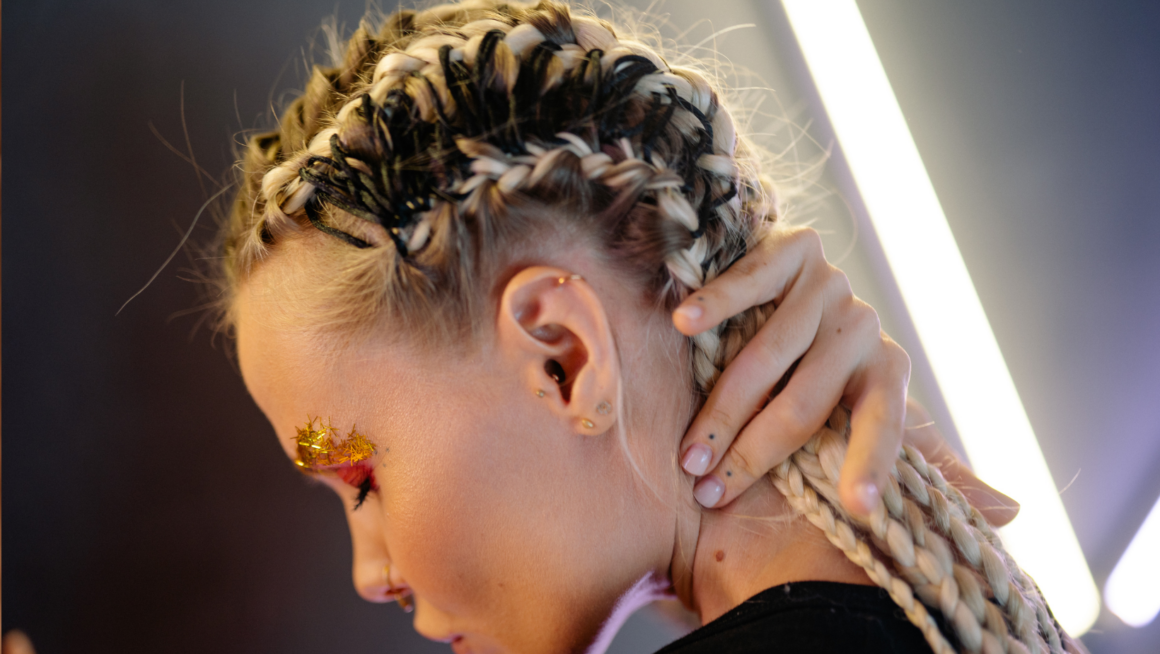
Minimalist piercing styles have become a distinct trend, as many people want jewelry that looks refined, intentional, and easy to wear every day. Fine-gauge piercings and delicate pieces can create a light, curated look that pairs well with professional settings, subtle fashion choices, and layered ear styling. The appeal often comes from balance rather than boldness, using small studs, thin hoops, and clean lines to highlight natural features rather than overpower them. At the same time, fine-gauge choices require careful planning because gauge size affects healing stability, jewelry durability, and the long-term shape of the piercing channel. A tiny piece can look effortless, but the process behind it involves anatomy checks, metal selection, and aftercare to protect the piercing in daily life. Understanding how piercers approach fine-gauge trends helps clients choose minimalist jewelry that stays comfortable, heals smoothly, and keeps its aesthetic over time.
Delicate look, smart choices
- Why fine gauge aesthetics are changing jewelry choices
The minimalist trend pushes jewelry toward smaller profiles, thinner rings, and low-visual-weight designs that sit close to the skin. This style works well for curated ears, where multiple piercings are styled together using consistent metal tones and tiny accent shapes. People often choose petite flat-back studs, micro gem clusters, and narrow seamless rings to keep the overall look clean. Fine-gauge jewelry can also reduce snagging on clothing and hair, which is a common concern for daily wear. However, piercers consider more than appearance. Very thin jewelry is more prone to bending, shifting, or migrating in certain placements, especially when the tissue is thin or the area moves frequently. Minimalist trends have also increased interest in symmetry and negative space, in which a single small element is placed precisely so it feels intentional. This is why consultation and placement markings matter so much, since millimeters can change how a delicate piece reads. Many clients begin by searching for “Body Piercing near me“ and scrolling through photos, but an image does not show how the jewelry moves or behaves during healing. A responsible piercer explains which fine-gauge options are realistic for the chosen placement and which choices will remain stable as swelling and healing occur.
- Gauge considerations, stability, and healing behavior
Fine-gauge trends often lead clients to request thinner posts or smaller rings immediately, but piercers typically prioritize healing stability before downsizing. Gauge size influences how sturdy the piercing channel is and how well the jewelry resists pressure and movement. A piercing that is too thin, too soon, can be more sensitive to bumps and may be more easily irritated if the jewelry moves excessively.
Swelling is another factor. Minimalist jewelry might look small, but initial jewelry needs appropriate length and fit to accommodate early swelling without embedding. Piercers often start with a slightly longer post and a secure backing, then shorten the post once swelling settles to reduce movement and irritation. For hoops, diameter matters as much as gauge, because a ring that is too tight can create pressure, while one that is too loose can shift and snag. Fine-gauge styling works well once the piercing is stable, because the channel is established and the jewelry can sit closer to the skin. This approach also reduces the temptation to change jewelry too early, which is one of the most common reasons minimalist piercings become irritated. A careful plan balances the delicate aesthetic with the practical requirements of healing.
- Minimalist placements driving current trends
Fine-gauge jewelry is strongly associated with certain placements that suit subtle styling. In ears, helix, forward helix, tragus, conch, and flat piercings are often styled with tiny studs or thin hoops that follow the ear’s shape. Stacked lobe piercings are another minimalist favorite because they allow small pieces to create a layered look without heavy jewelry. Nostril piercings also fit the minimalist trend, often styled with a small bezel-set gem or a thin hoop once healed. Some clients choose minimal septum jewelry that can be flipped up, adding flexibility for work environments. The trend also includes curated symmetry, where both sides are balanced but not identical, using variation in size and spacing to keep the look natural. Piercers evaluate anatomy carefully for these placements because thin tissue, cartilage angles, and lifestyle factors can affect comfort and long-term fit. Minimalist does not mean one-size-fits-all. A small hoop that looks perfect on one person may press on another person’s anatomy. The most successful minimalist placements are chosen with anatomy and routine in mind, so the jewelry feels as easy as it looks.
Minimalist trends need planning.
Fine-gauge piercing trends for minimalist styles focus on delicate jewelry, precise placement, and cohesive styling that fits daily life. These trends work well when gauge and fit are chosen for stability first, then refined through downsizing and curated jewelry once healing is established. Popular minimalist placements such as helix, conch, stacked lobes, and nostrils benefit from low-profile hardware, quality materials, and smooth finishes that reduce snagging and irritation. Successful minimalist looks also depend on consistent aftercare and patience with jewelry changes, since early swapping can disrupt healing. When piercers balance aesthetics with anatomy and healing needs, fine-gauge minimalist piercings stay comfortable, clean, and visually intentional over time.