
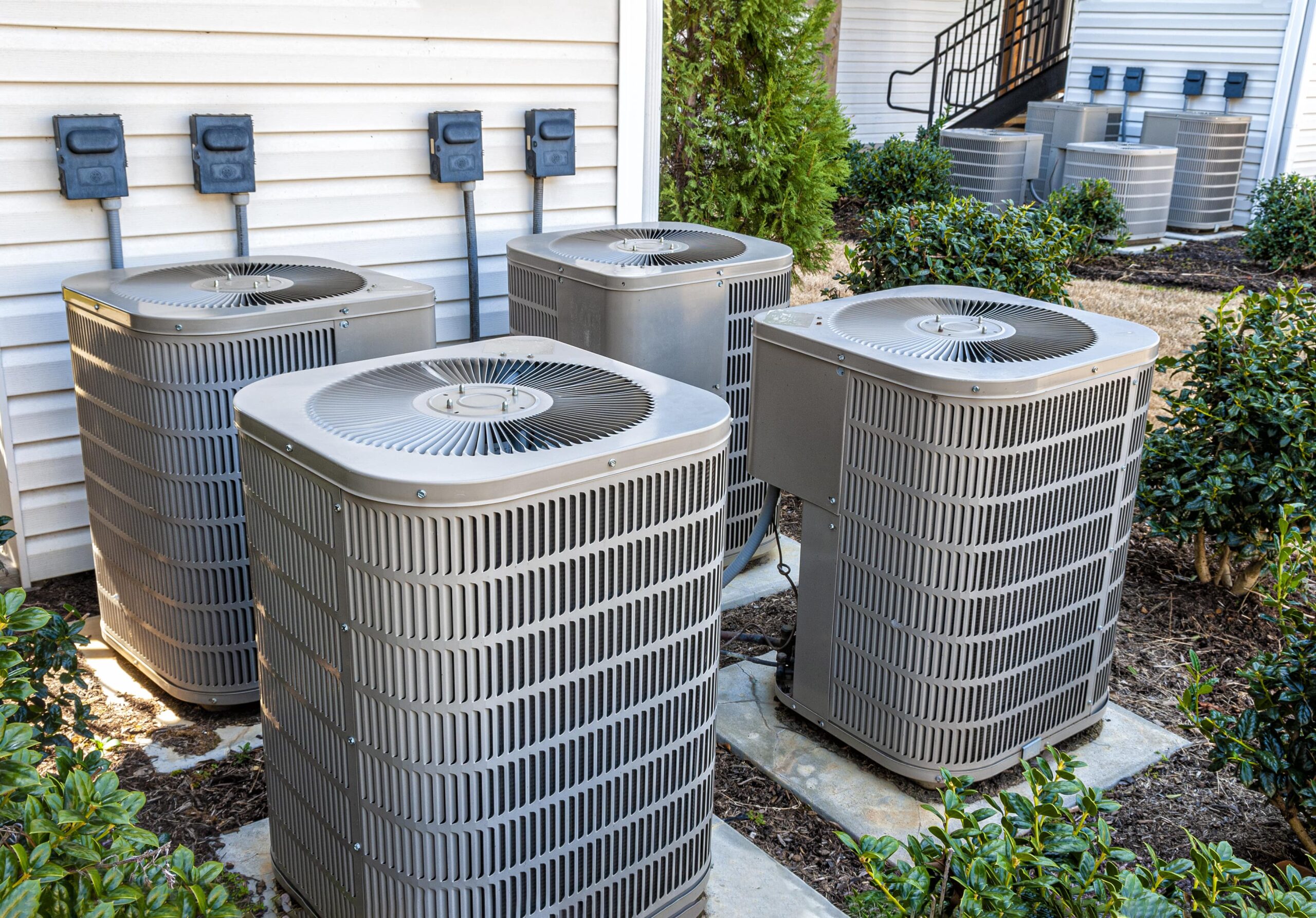
A single snapshot of an HVAC system can be misleading. A unit may start up smoothly, blow cold or warm air, and seem “fine” for a few minutes, yet still struggle with comfort, humidity, or efficiency throughout the day. Many problems show up only after the system has been running and stopping repeatedly: coils that begin to freeze after extended operation, electrical components that drift as they heat up, thermostats that overshoot and then correct too aggressively, or airflow that weakens as filters load with dust. That is why contractors often track system behavior over multiple cycles rather than making decisions based on the first few minutes of operation. A “cycle” is the full pattern of the system turning on, stabilizing, satisfying the thermostat, shutting off, and then starting again. Looking across multiple cycles reveals how consistently the system performs, how it handles changing loads, and whether it maintains stable comfort rather than bouncing between extremes. In many homes, this approach is what separates a quick guess from a reliable diagnosis.
What Multi-Cycle Tracking Reveals
- Why One Test Run Can Hide the Real Problem
HVAC performance is dynamic, not static. When the system first starts, it is often operating under favorable conditions: coils are frost-free, motors are cool, and the temperature difference between indoor and outdoor air is not yet extreme. In that early window, even a struggling system can appear to work. The air may feel cool, the vents may have decent airflow, and the thermostat may show progress toward the setpoint. But the real question is whether the system can maintain that performance repeatedly without drift. A coil that begins to ice after 20–30 minutes might still deliver cold air for the first 10 minutes, giving a false impression of “no issue.” A weak capacitor might start a fan motor when it’s cool, then fail on the next restart after heat builds up. A thermostat placed near a draft might satisfy quickly, then allow other rooms to warm up again, creating a cycle of comfort swings. Contractors watch multiple cycles because each restart is a stress test. If the system behaves differently on the second or third cycle than it did on the first, that difference often points directly to the root cause.
- Temperature, Humidity, and Load Changes Across Cycles
Comfort is not only about temperature; it is also about moisture, air movement, and how stable the indoor environment feels hour to hour. Tracking multiple cycles helps contractors see whether temperature drops steadily during runtime or stalls after an initial improvement. It also shows whether humidity drops gradually or remains elevated even when the system is running. In some climates, the system may satisfy the temperature quickly and shut off before removing enough moisture, leading to a sticky feeling that returns soon after shutdown. Multi-cycle tracking reveals this “cool but damp” pattern because humidity trends become clear over time. Contractors also observe how outdoor conditions and internal activity affect cycles. Cooking, showers, and occupancy can change the load mid-day, and sun exposure can create late-afternoon demand spikes. In places like Chino, CA, daily temperature swings and dry-to-warm shifts can reveal whether a system is cycling efficiently or constantly chasing setpoint due to control or airflow issues. Watching how the system responds across multiple cycles helps contractors separate a normal change in load from a performance drop caused by mechanical or airflow limitations.
- Identifying Short Cycling, Long Cycling, and Overshoot
Cycle patterns tell a story about what the system is doing and why it may be uncomfortable or inefficient. Short cycling—frequent on/off operation—can suggest thermostat issues, airflow restrictions, oversizing, refrigerant problems, or safety control interruptions. Long cycling—running for extended periods without reaching setpoint—can point to high heat gain, duct leakage, poor airflow, dirty coils, or capacity limitations. Overshoot occurs when the system runs past the required output, leaving the space too cold or too warm, requiring occupants to constantly adjust settings. A single check might not reveal these patterns because the system could behave “normally” for the first run, especially if conditions are mild. Multiple cycles show whether the system settles into a consistent rhythm or behaves erratically. Contractors may track how long the system runs before shutting off, how quickly it restarts, and whether each cycle delivers similar supply air temperatures. If cycle lengths vary wildly without changes in weather or household activity, that irregularity becomes an important clue. The goal is not to force a specific runtime but to see if the cycle behavior matches what the home and equipment type should produce.
- Catching Problems That Appear Only After Warm-Up
Many HVAC issues are temperature-sensitive, meaning they appear only after components heat up or the refrigerant circuit stabilizes. Electrical connections can expand slightly with heat, revealing intermittent contact problems that do not appear at startup. Motors can draw higher amperage as resistance increases, which may trigger protection devices during later cycles. Refrigerant performance can also drift: a system might start with acceptable pressures but exhibit abnormal behavior after running long enough for conditions to stabilize. During the heating season, burners, flame sensors, and limit switches may operate normally at first, then trip if airflow is insufficient or heat builds up in the exchanger area. In the cooling season, ice formation on the coil may begin slowly and become visible only after several cycles, especially if airflow is restricted or the charge is off. Contractors track multiple cycles to see whether performance stays steady or degrades after warm-up. If output declines over time, that points to airflow restriction, icing, problems with condenser heat rejection, or control issues that alter blower behavior after a delay.
- Multi-Cycle Tracking for Duct and Airflow Diagnosis
Airflow problems can be subtle and often go unnoticed if the system is evaluated only at a single point in time. Over multiple cycles, airflow weaknesses become clearer as the system’s ability to distribute air evenly across rooms is repeatedly tested. Contractors may compare airflow at key registers during early runtime versus later runtime to determine whether a filter, coil, or blower wheel is slowly restricting airflow. They also watch how pressure dynamics change when doors open and close, when bathroom fans run, and when the return air path is partially blocked. In zoned homes, multiple-cycle tracking reveals whether dampers are opening and closing as expected or whether a damper is sticking, intermittently starving one zone. Duct leakage also shows up in cycle patterns. If the system runs longer than expected and certain rooms never stabilize, repeated cycles confirm that the problem is persistent rather than a one-time condition. Contractors may also observe how quickly a far room recovers after the system cycles on and off. If that room always lags, it points toward duct sizing, balancing, or return pathway issues that require correction beyond basic equipment checks.
- Turning Observations Into Targeted Repairs
Tracking multiple cycles is only useful if the results lead to a clear diagnosis and a fix that matches the evidence. If the system short-cycles, the next step might involve checking thermostat setup, sensor placement, airflow restriction, or equipment sizing relative to the home’s load. If performance declines after warm-up, the contractor may focus on coil condition, refrigerant measurements, outdoor heat rejection, or electrical components that fail under heat. If humidity remains high across cycles, the solution may involve airflow adjustments, longer runtimes through staging, or addressing moisture intrusion and ventilation issues. Multi-cycle tracking also helps contractors confirm that a repair actually worked. After cleaning a coil, adjusting blower settings, correcting a charge issue, or sealing duct leakage, they can observe whether cycle behavior becomes more stable and whether supply temperatures and humidity trends improve. This verification step matters because it prevents repeat visits and ensures homeowners see a real change in comfort, not just a temporary improvement.
Consistency Matters More Than First Impressions
HVAC systems are judged by how they perform over time, not how they feel in the first few minutes of operation. Tracking system behavior over multiple cycles allows contractors to see patterns that single-run checks can miss: performance that fades after warm-up, short cycling that drives discomfort, humidity that won’t drop, or airflow that weakens as resistance builds. Multi-cycle observation also helps connect symptoms to real causes by showing how the system responds to changing loads, restarts, and room-to-room demands. By measuring temperature, humidity, pressure, and cycle length across repeated operations, contractors can make decisions based on evidence rather than assumptions. Just as important, they can verify that a repair improved the system’s consistency, which is what homeowners ultimately want—steady comfort, predictable operation, and fewer surprises during the most demanding days of the year.