
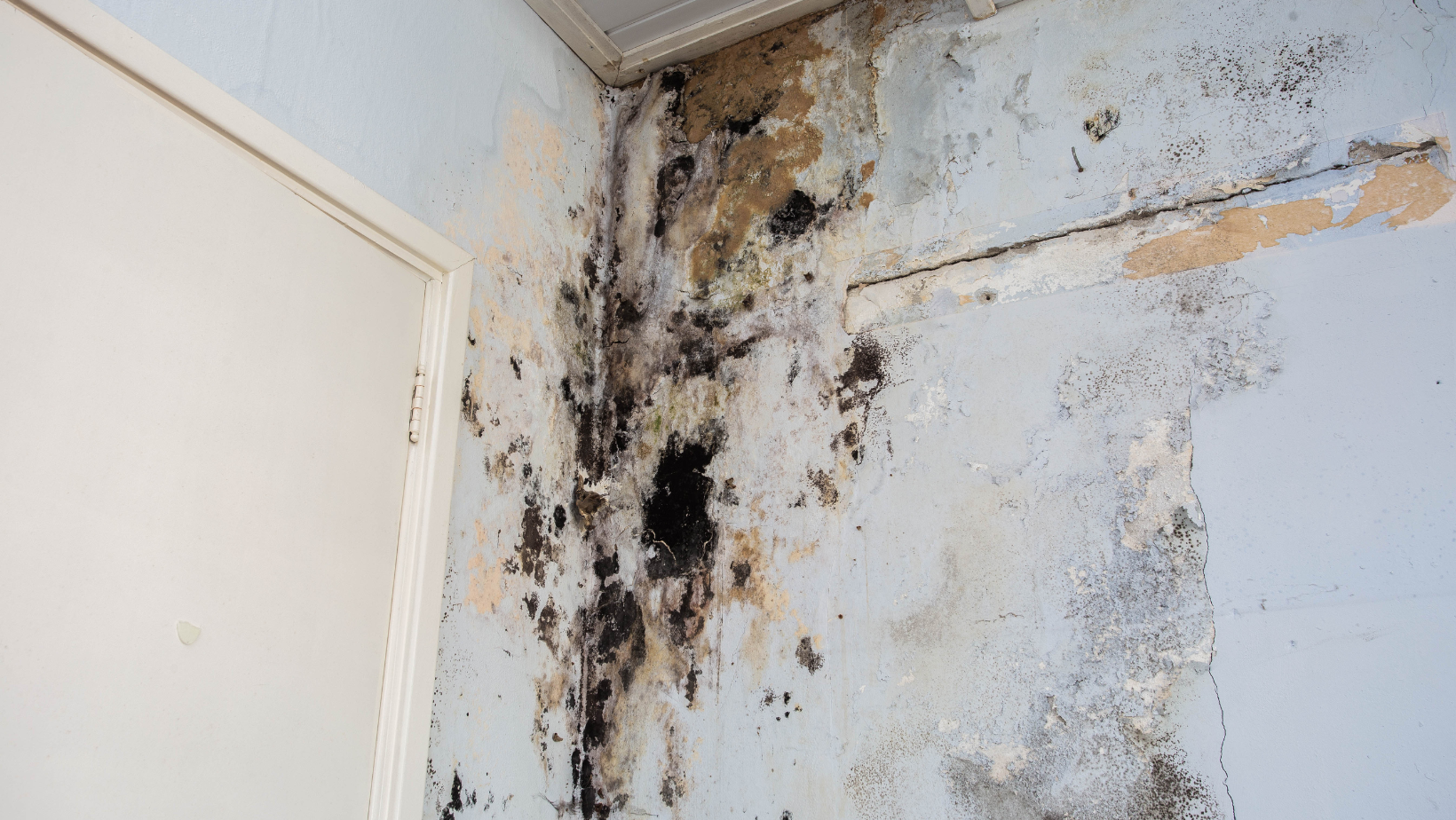
Aurora winters are long, cold, and often unpredictable — and while most homeowners focus on staying warm, few realize these conditions are perfect for hidden mold growth. Snow, ice, and freezing temperatures don’t kill mold. Instead, they trap moisture inside homes, allowing mold to grow quietly behind walls, in basements, and above ceilings. By the time spring arrives, the damage is often already done, making mold removal in Aurora a common but preventable issue.
Why Winter Mold Is a Bigger Problem in Aurora
Winter mold is especially common in Aurora because of the way cold outdoor air clashes with warm indoor heating. Homes stay sealed for months to retain heat, reducing airflow and trapping humidity indoors. Many houses in Aurora also include older construction or mixed building materials, which are more vulnerable to moisture intrusion during freeze–thaw cycles. These factors combined make professional mold removal in Aurora more necessary after winter than many homeowners expect.
How Snow and Ice Lead to Indoor Moisture
Snow doesn’t just sit outside — it slowly works its way into your home. Snow buildup on roofs can cause ice dams, forcing water underneath shingles and into attic spaces. Around foundations, melting snow seeps into tiny cracks that expand as temperatures fluctuate. Over time, this hidden moisture creates ideal conditions for mold growth, often leading homeowners to seek mold removal in Aurora months after the initial problem started.
Condensation: The Silent Mold Trigger
One of the biggest winter mold culprits is condensation. Warm indoor air meeting cold surfaces creates moisture on windows, exterior walls, and pipes. This moisture may seem harmless, but when it forms daily throughout winter, it feeds mold colonies behind drywall and insulation. These hidden areas are a major reason why mold removal in Aurora often involves opening walls rather than just surface cleaning.
Poor Winter Ventilation Makes Things Worse
To save energy, many homeowners keep windows closed and ventilation systems running minimally during winter. Bathrooms, kitchens, and laundry rooms generate moisture that has nowhere to escape. Without proper ventilation, humidity builds up and spreads throughout the home. This is why winter mold problems frequently escalate to full mold removal in Aurora instead of simple moisture control.
Hidden Places Mold Thrives During Winter
Mold doesn’t need visible water to grow. In winter, it commonly spreads in attics where warm air rises and meets cold roof surfaces. Basements and crawl spaces are also high-risk due to cold concrete walls and limited airflow. Mold can even develop inside HVAC ducts, spreading spores throughout the house and increasing the need for professional mold removal in Aurora.
Warning Signs Homeowners Often Miss
Winter mold is sneaky because its signs are subtle. Musty smells may come and go depending on heating cycles. Paint may start peeling or staining lightly, and allergy-like symptoms often worsen indoors during winter months. Warped baseboards or damp insulation are also red flags that shouldn’t be ignored, as they frequently point to hidden mold requiring mold removal in Aurora.
Why Winter Mold Spreads Before You See It
Cold weather slows evaporation, allowing moisture to linger longer than in warmer seasons. Mold thrives in these damp, enclosed spaces, spreading behind walls and ceilings where it’s invisible. Many homeowners only discover the issue during spring thaw, when moisture levels rise even further — often too late to avoid extensive mold removal in Aurora.
How to Prevent Mold Growth During Aurora Winters
Preventing mold starts with controlling indoor humidity using dehumidifiers and proper ventilation. Ensuring attics and basements are well insulated helps prevent condensation. Clearing snow away from foundations and maintaining roof drainage can reduce water intrusion. These steps significantly lower the risk of needing costly mold removal in Aurora after winter ends.
When Mold Becomes a Serious Problem
If mold is left untreated, it can affect indoor air quality and cause structural damage over time. DIY cleaning often fails in winter because moisture sources remain hidden. Once mold spreads behind walls or into insulation, professional mold removal in Aurora becomes the safest and most effective solution.
Staying Ahead of Winter Mold in Aurora Homes
Aurora winters may be unavoidable, but hidden mold problems don’t have to be. Understanding how snow, condensation, and ventilation issues contribute to mold growth allows homeowners to act early. By addressing moisture before it spreads, you can protect your home, your health, and avoid the need for extensive mold removal in Aurora once winter finally loosens its grip.