
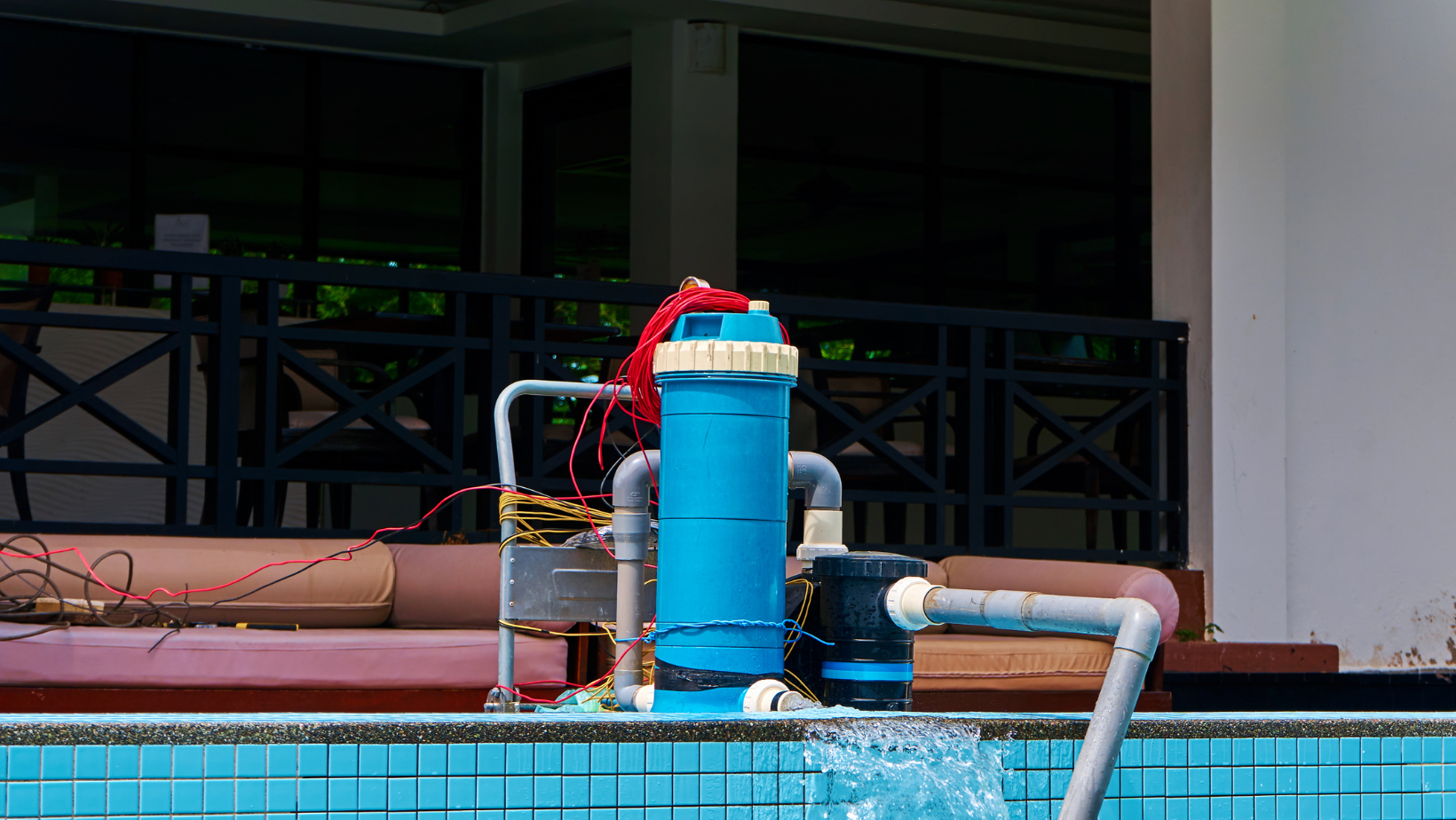
A pool pump is the heart of your swimming pool, keeping water clean, clear, and safe. Over time, pumps can wear down, lose efficiency, or fail entirely. Knowing the signs that your pool pump needs attention can save you money, prevent major damage, and ensure your pool remains enjoyable. If you’ve noticed issues with your pump recently, it may be time to consider a pool pump replacement.
Strange Noises Coming from Your Pump
One of the earliest signs that a pool pump replacement may be necessary is unusual noises. Grinding, squealing, or rattling sounds often indicate worn bearings or motor problems. Ignoring these noises can result in complete pump failure, leaving your pool uncirculated and potentially damaging other pool equipment. Addressing these noises early with a pump inspection can help determine if replacement is the best course of action.
Reduced Water Flow or Pressure
Another sign that your pool pump might need a replacement is reduced water flow or low pressure. Weak return jets, slow circulation, or cloudy water are clear indicators that your pump is struggling. This could be caused by a failing impeller, clogged filters, or motor issues. Proper water circulation is essential for even distribution of chemicals and maintaining water hygiene. A timely pool pump replacement ensures your pool stays clean and healthy.
Frequent Leaks Around the Pump
Leaks are not just a minor annoyance—they can be a serious warning sign. Pool pumps often develop leaks around seals, gaskets, or the pump housing. Repeated patching may offer temporary relief, but over time, leaks can worsen, creating electrical hazards and water damage. In these cases, a full pool pump replacement is usually more cost-effective than continuing repairs.
Pump Won’t Turn On or Keeps Shutting Off
If your pool pump refuses to start or keeps shutting off unexpectedly, it’s a red flag. Electrical or motor problems can prevent consistent operation, and pumps that trip breakers or overheat can pose safety risks. Persistent operational issues are often best resolved with a pool pump replacement, ensuring reliable performance and peace of mind.
Older Pump with High Energy Bills
Age can significantly affect pump efficiency. Older pumps often consume more electricity, leading to higher energy bills. Modern pool pumps are designed to be energy-efficient, sometimes offering variable-speed options that reduce electricity use while maintaining optimal water circulation. Replacing an outdated unit with a new pool pump replacement can lower energy costs and improve overall pool performance.
Frequent Repairs and Maintenance Costs
Another indicator that it’s time for a pool pump replacement is frequent repair needs. If you find yourself constantly replacing seals, rebuilding motors, or fixing recurring leaks, the cost of ongoing maintenance may soon exceed the cost of a new pump. Evaluating the frequency and expense of past repairs can help you decide whether replacement is the smarter investment.
Visible Signs of Wear and Corrosion
Physical damage such as cracks, rust, or corrosion is a clear sign that your pump is nearing the end of its lifespan. Exposure to pool chemicals and weather over the years can accelerate wear. When these signs appear, a pool pump replacement ensures that your pool equipment operates safely and efficiently, avoiding potential breakdowns during peak swimming season.
Upgrading for Better Pool Performance
Even if your current pump is still functional, upgrading can offer several benefits. Newer pumps provide quieter operation, better filtration, and improved efficiency. A pool pump replacement can extend the life of other pool equipment, reduce maintenance needs, and enhance your swimming experience. Investing in a modern pump is not just about replacing a failing unit—it’s about improving overall pool performance.
Protect Your Pool with Timely Action
Recognizing the signs that your pump is struggling is crucial for keeping your pool safe, clean, and enjoyable. From strange noises and low water flow to leaks, electrical issues, and visible wear, these indicators should not be ignored. Taking proactive steps with a pool pump replacement can prevent costly repairs, lower energy costs, and ensure your pool operates at peak performance. By addressing these issues now, you can enjoy worry-free swimming and maintain the value of your pool for years to come.