
Poor leg circulation can quietly erode quality of life and productivity—two things any business owner or agency lead works hard to protect. When aches, swelling, visible veins, or unexplained skin changes appear, a professional vein specialist can identify underlying venous issues and recommend treatments that restore function and reduce long-term risk. Providers such as Metro Vein Centers focus on accurate diagnosis and modern, minimally invasive care designed to fit demanding schedules. This article explains what vein specialists treat, common venous conditions, when to seek care, the diagnostic tools used, treatment options ranging from conservative management to advanced procedures, how to choose the right specialist, and practical prevention strategies for lasting circulation health.
What is a Vein Specialist and What Do They Treat
A vein specialist, often a vascular surgeon, phlebologist, or interventional radiologist, focuses on diseases of the venous system that impair blood return to the heart. Unlike routine primary care, a vein specialist uses targeted diagnostics and a range of interventions to treat conditions such as varicose veins, deep vein thrombosis (DVT), chronic venous insufficiency, and venous ulcers.
They evaluate both cosmetic concerns (for example, spider veins) and medical problems that can increase risks for blood clots, skin breakdown, or chronic pain. Treatment plans are individualized: some patients benefit from lifestyle changes and compression, while others need minimally invasive procedures like endovenous ablation or endovascular stenting. The goal is restoring efficient circulation, preventing complications, and improving mobility and quality of life so patients can stay active and productive.
Common Vein Conditions that Impair Circulation
Venous disease presents across a spectrum, from purely cosmetic spider veins to limb‑threatening clots. Understanding the differences helps determine urgency and treatment.
Varicose Veins
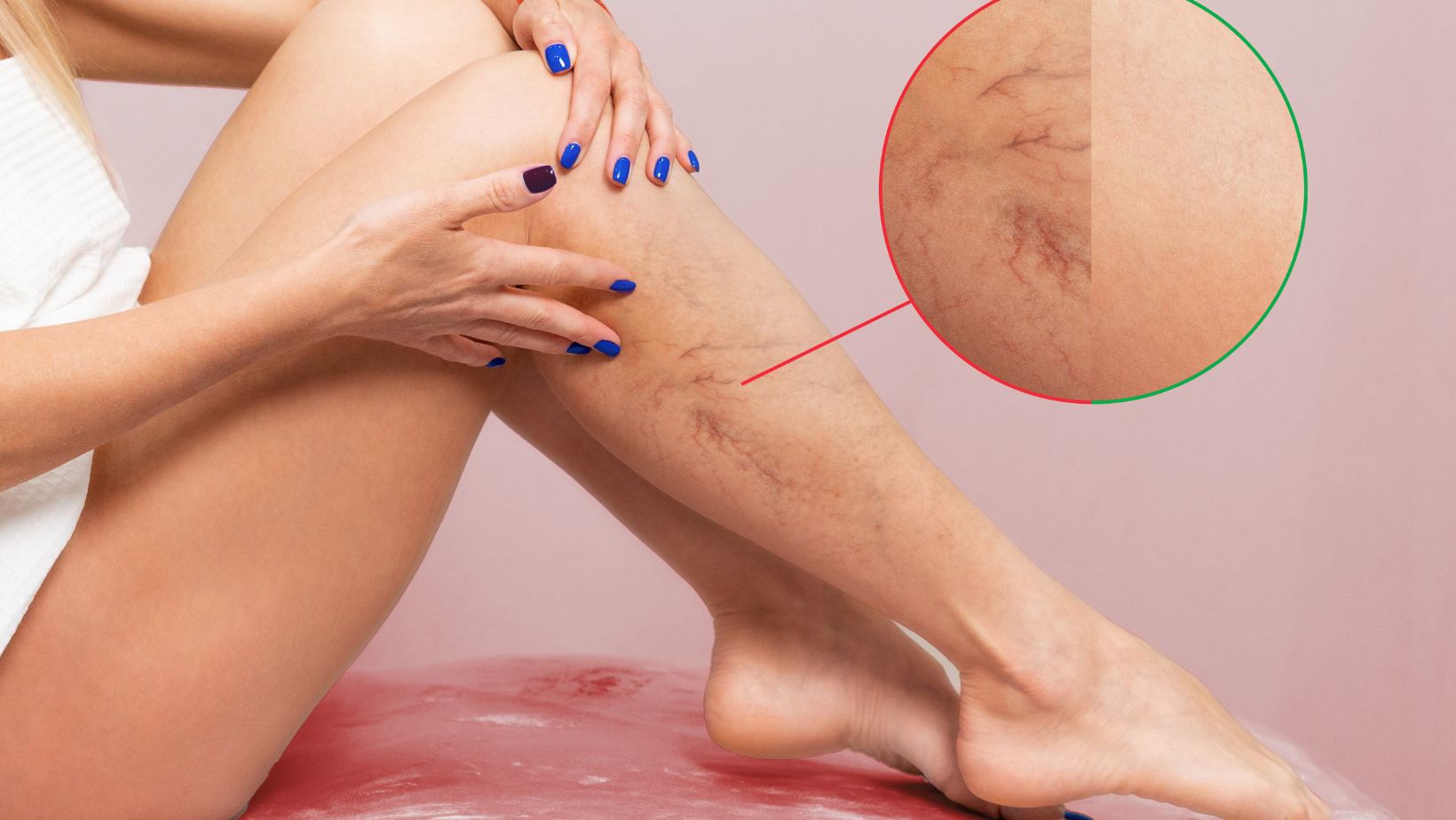
Varicose veins are dilated, tortuous superficial veins most commonly visible on the legs. They result from valve failure in the superficial venous system, causing blood to pool. Symptoms include aching, heaviness, cramping at night, swelling, and skin changes. Beyond appearance, varicose veins can progress to chronic venous insufficiency if untreated.
Spider Veins
Spider veins are small, web‑like clusters near the skin’s surface. They rarely cause major medical issues, but can be a sign of underlying venous reflux. Many patients pursue sclerotherapy or laser treatment for cosmetic relief and to prevent progression.
Deep Vein Thrombosis (DVT)
DVT is a blood clot in a deep vein, commonly in the calf or thigh. It’s a medical emergency when clots dislodge and travel to the lungs, causing a pulmonary embolism. Symptoms include sudden leg swelling, pain, warmth, and sometimes red streaks. A vein specialist coordinates anticoagulation, imaging, and sometimes interventional clot removal.
Chronic Venous Insufficiency and Venous Ulcers
When venous valves chronically fail, pressure increases in the leg veins, causing skin changes, persistent swelling, and eventually venous ulcers, open wounds that are slow to heal. These conditions require a combined approach: wound care, compression, and correction of the underlying venous pathology to promote recovery.
When to See a Vein Specialist: Symptoms and Risk Factors
Early evaluation improves outcomes. Patients should consider seeing a vein specialist when they notice persistent or progressive symptoms such as:
- Leg pain, heaviness, or cramping that doesn’t resolve with rest
- Visible bulging veins or worsening spider veins
- New, unexplained swelling of one leg
- Skin discoloration, itching, or non‑healing sores on the lower leg
- History of DVT or family history of venous disease

Risk factors heighten the need for assessment: prolonged sitting or standing (common in remote work or long commutes), recent surgery, hormonal therapy, pregnancy, obesity, smoking, and advanced age. For entrepreneurs and professionals who spend long hours seated, periodic screening and early intervention can prevent work‑disrupting complications.
Diagnosis: Tests and Imaging for Venous Disease
Accurate diagnosis depends on clinical exam plus imaging to map venous anatomy and function. A specialist will tailor testing to the suspected condition.
Venography, CT/MR Venography, and Ankle‑Brachial Index (ABI)
For complex cases, catheter venography or cross‑sectional imaging (CT or MR venography) may be used to see central veins, pelvic congestion, or unusual anatomy. The Ankle‑Brachial Index (ABI) helps rule out arterial disease when wounds or ischemic symptoms are present, an important distinction because treatment differs significantly between arterial and venous problems. Specialists interpret these tests together to form a complete picture and recommend a precise treatment pathway.
Treatment Options: From Conservative Care to Minimally Invasive Procedures
Treatment stratifies by severity and patient goals: symptom control, prevention of complications, and aesthetic improvement. Vein specialists typically proceed from the least invasive options upward.
Conservative and Medical Management (Compression, Medications, Lifestyle)
Conservative measures are foundational. Graduated compression stockings reduce venous pressure and swelling. Medications, like venoactive drugs or short‑term anticoagulants for clot risk, may be prescribed. Lifestyle interventions include leg elevation, frequent movement breaks, tailored exercise, and weight optimization. For many, these measures significantly improve symptoms and complement procedural care.
Minimally Invasive Procedures (Endovenous Ablation, Sclerotherapy, VenaSeal)
Minimally invasive therapies have revolutionized venous care. Endovenous thermal ablation (radiofrequency or laser) closes refluxing veins under ultrasound guidance with local anesthesia and rapid recovery. Sclerotherapy injects a solution to obliterate spider veins and smaller varicose tributaries. Medical adhesives such as VenaSeal offer a non‑thermal option, sealing veins without tumescent anesthesia. These procedures typically happen in an outpatient setting with low complication rates and allow patients to return to normal activity quickly.
Interventional and Surgical Options (Venous Stenting, Phlebectomy, Bypass)
More complex or central venous obstructions may require venous stenting to reopen blocked pathways. Ambulatory phlebectomy removes large superficial varicosities through tiny incisions for swift cosmetic and symptomatic relief. In rare, severe situations, especially when prior interventions fail, surgical bypass or advanced reconstructive approaches may be considered. A vein specialist will balance risks and benefits and discuss recovery expectations candidly.
How to Choose the Right Vein Specialist: Qualifications, Questions, and What to Expect
Choosing a specialist influences outcomes and patient confidence. The right provider combines credentials, experience, and clear communication.
Certifications, Specialties, and Experience to Look For
Look for board certification in vascular surgery, interventional radiology, or a phlebology certification from recognized societies. Years of focused vein practice, volume of procedures performed, and published outcomes or case studies signal competence. Facilities accredited for outpatient endovascular procedures add another layer of safety.
Key Questions to Ask During Consultation
Patients should come prepared with targeted questions: What is the underlying cause of my symptoms? Which tests are recommended and why? What are the full treatment options and their risks? How many similar procedures has the specialist performed, and what are their complication and success rates? What is the expected recovery timeline and cost structure? Clear answers indicate transparency and expertise.
What a Typical Visit and Treatment Plan Looks Like
A typical visit includes a focused history, vascular examination, and often an on‑site duplex ultrasound. The specialist will explain findings, propose a stepwise plan (starting conservative if appropriate), discuss procedural logistics, and provide written expectations for recovery and follow‑up. Good clinics offer streamlined scheduling, patient education materials, and accessible follow‑up to monitor healing and long‑term maintenance.
Prevention and Long‑Term Strategies to Preserve Circulation Health
Prevention and maintenance matter, especially for professionals who rely on peak health for productivity. Long‑term strategies reduce recurrence and support vascular resilience.
Lifestyle Changes, Exercise, and Weight Management
Regular physical activity, walking, cycling, and ankle‑pump exercises, stimulates calf muscle pump function and improves venous return. Weight control eases venous pressure. For desk‑bound workers, scheduled micro‑breaks to stand, stretch, and walk for a few minutes every hour can dramatically lower risk. When travel or prolonged standing is unavoidable, simple adjustments (frequent movement, hydration, and compression) help.
Compression Therapy, Monitoring, and Follow‑Up Care
Continued use of graduated compression stockings after procedures reduces swelling and supports healing. Periodic duplex surveillance helps detect new or recurrent reflux early. A long‑term partnership with a vein specialist, focused on monitoring, lifestyle reinforcement, and timely interventions, keeps circulation healthy and minimizes disruptions to work and daily life.
Conclusion
A professional vein specialist brings focused expertise that translates into faster recovery, fewer complications, and better long‑term circulation, outcomes that any busy professional values. Whether symptoms are cosmetic or medical, early evaluation, accurate diagnosis, and a measured treatment plan protect mobility and productivity. For those managing demanding schedules, partnering with a qualified specialist ensures circulation problems are solved efficiently and with minimal downtime so they can get back to running their business, agency, or projects with confidence.