
Many homeowners assume HVAC replacement is a simple math problem: if a system is “old,” it must be inefficient and unreliable. Age does matter, but it doesn’t tell the whole story because time is only one factor in how equipment wears. Two systems installed in the same year can perform very differently depending on how often they run, how clean the airflow path remains, how tight the ductwork is, and whether installation details were done correctly. Some older units still maintain steady comfort and predictable cycling, while newer units can struggle if airflow is restricted or controls are poorly configured. HVAC contractors evaluate aging versus real performance by separating wear-related risk from measurable output today. They look at how the system behaves under load, how consistently it transfers heat, and whether small issues are causing symptoms that feel like “age” but are actually correctable. This approach helps homeowners avoid replacing too early due to assumptions and prevents repeated repair spending on a system that has clearly moved into a higher-risk stage.
Age Matters, But Data Matters More
- Why Calendar Age Can Be a False Signal
Contractors treat the manufacture date and installation age as context, not a decision by itself. An older system in a mild climate may have far fewer run hours than a younger system in a harsh climate that runs for long stretches each season. Maintenance history also changes the picture. Keeping the coil clean and changing the filter on schedule can protect airflow and reduce strain, while neglected filtration can overload the coil and blower wheel, making the system work harder and feel “tired” years earlier than expected. Contractors also consider installation quality, because poor duct sizing or leaky returns can make any system underperform, regardless of age. Another key question is whether the performance complaint is new or long-standing. If the home has always had one hot room, the issue may be distribution rather than equipment decline. If comfort changed suddenly, the cause might be a failing component or a new restriction. By starting with how the system behaves and how the home changed over time, contractors avoid the common trap of equating age with failure. The goal is to understand whether the system’s limitations are age-driven wear or correctable conditions that are masking normal capability.
- Measuring Output Under Real Operating Conditions
Performance evaluation begins by confirming what the system delivers, not what it is rated to deliver on paper. Contractors measure temperature change across the system—temperature rise in heating and temperature split in cooling—under stable operation. They observe cycle behavior to see whether the system runs long enough to stabilize, whether it has short cycles, and whether it struggles during peak demand. Airflow testing is a major part of this because airflow problems can mimic aging. Contractors check static pressure and examine filters, blower components, and coil surfaces to confirm air is moving at a healthy volume. They also evaluate the difference between what the thermostat reads and what occupants feel, because thermostat placement or sensor configuration can create comfort complaints even when the equipment is performing normally. Homeowners often call for Furnace repair service when a system is older, and comfort is inconsistent, but contractors frequently find that measured output is still strong and that airflow balance, control settings, or duct leakage are the real drivers. When these measurements are taken and compared with expected ranges, contractors can confidently determine whether the system is delivering acceptable performance or is truly declining.
- Electrical and Mechanical Signs of Strain Versus Normal Wear
Age-related wear often shows up as increased strain rather than immediate failure. Contractors check electrical readings such as amperage draw on motors, voltage stability, and the condition of capacitors and contactors. A weak capacitor can allow a motor to run, but under higher stress it can shorten its lifespan, even if the system still “works.” Contactors can pit over time, creating inconsistent starts and heat buildup. Contractors also listen for vibrations and unusual sound patterns that indicate bearing wear, loose mounts, or fan imbalance. In cooling systems, they check the condenser fan’s health and the coil’s condition because reduced outdoor heat rejection forces the compressor to run hotter. In heating systems, they examine ignition components, flame stability, and safety limit behavior, since overheating from restricted airflow can cause hidden cycling and discomfort. None of these checks alone forces a replacement decision, but together they provide a risk profile. A system may deliver strong output today, yet have multiple borderline electrical components that indicate a higher failure probability in the near future. Contractors use this blend of performance and strain indicators to advise whether repairs are likely to be stable or whether the system is becoming unpredictable.
- Refrigerant Circuit Health and Gradual Performance Decline
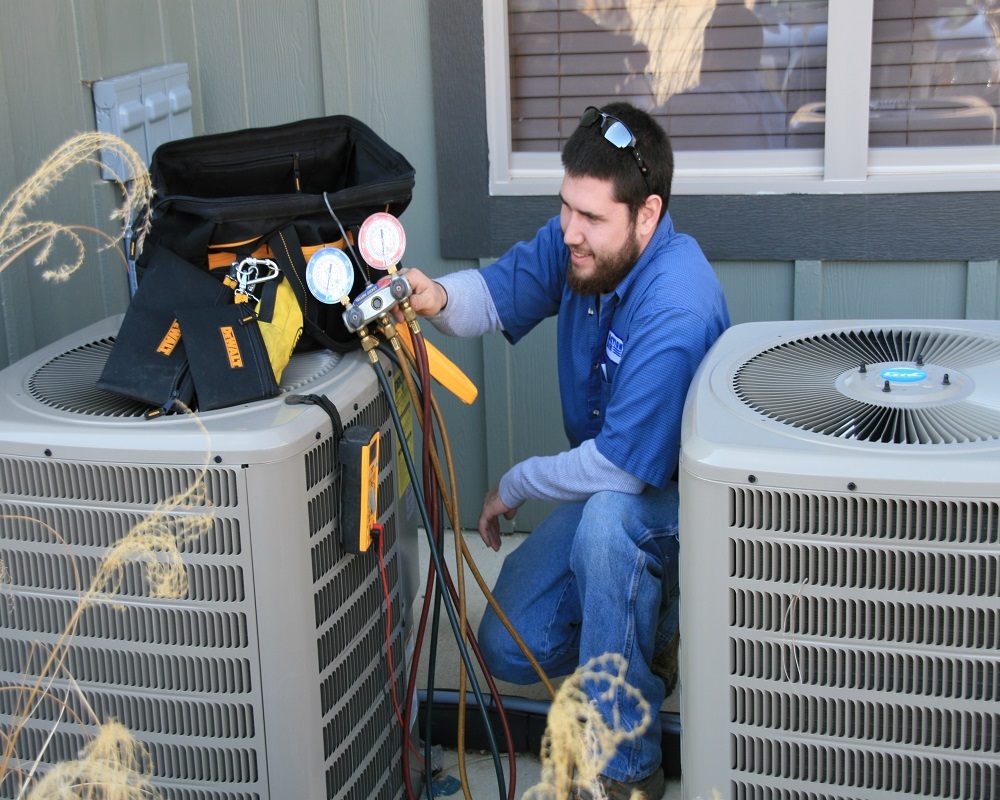
In cooling systems and heat pumps, the refrigerant circuit often reveals whether performance loss is truly age-related or driven by a fixable issue. Contractors measure refrigerant pressures and temperature relationships to determine whether the system is transferring heat efficiently. A low charge from a slow leak can reduce capacity and make the equipment feel “old equipment,” yet the real issue may be leak detection and correction. A dirty indoor coil can distort readings and reduce heat transfer, while a dirty outdoor coil can raise operating pressure and increase electrical strain. Contractors inspect both coils, verify fan operation, and confirm that airflow is appropriate before interpreting refrigerant data. They also check the insulation on refrigerant lines because degraded insulation can reduce system efficiency and contribute to condensation. If the system uses an older, harder-to-service refrigerant type, contractors consider that part of long-term planning, but the immediate focus remains on measured health: whether the circuit is stable, whether temperatures are consistent across cycles, and whether any signs point to chronic leakage or failing compressor behavior. This prevents the mistake of replacing equipment simply because it is old when the actual cause of poor performance is a correctable refrigerant or coil condition.
- Ductwork and Building Conditions That Mimic Aging
A large portion of “this system is old” complaints are actually delivery problems in the home. Contractors evaluate duct leakage, duct sizing, return capacity, and airflow balance because these issues can make a system feel weak even when the equipment is healthy. If conditioned air leaks into an attic or crawlspace, the home takes longer to reach setpoint and may never stabilize in certain rooms. If returns are undersized, pressure rises and airflow drops, reducing capacity and increasing noise. Contractors also consider changes in the building envelope. Renovations, added insulation, new windows, or a finished attic can alter the load, changing how the system behaves. Even lifestyle changes matter; more occupancy, new appliances, or altered room usage can increase heat gain. Humidity can also shift when a home becomes tighter, creating discomfort that is blamed on the HVAC system. Contractors separate these factors by testing the system’s output at the equipment and then comparing that to what is delivered in rooms. If the equipment performs well at the source but comfort is poor in certain spaces, the system may not be “old and failing” at all—it may be constrained by the distribution network.
- Repair Versus Replace Decisions
Contractors decide between repair and replacement by combining current performance, reliability risk, and cost patterns. If output remains stable, airflow is healthy, and repairs are infrequent, continued maintenance may be reasonable even with an older unit. If the system struggles to reach setpoint, cycles erratically, or repeatedly fails and shows abnormal electrical strain, replacement planning becomes more practical. They also consider whether repairs address root causes or only restore operation briefly. Parts availability and future service risk matter, but the decision is grounded in measured behavior and realistic expectations. A clear risk-and-performance summary helps homeowners make confident choices.
- Communicating Findings and Setting Practical Expectations
A key part of this evaluation is how contractors explain the results. Homeowners want a simple answer, but the most helpful answer includes both current performance and future risk. Contractors often frame findings as “what the system is doing now” and “what the system is likely to do next.” If performance is still strong but wear indicators are rising, homeowners can proactively replace on their schedule rather than wait for a peak-season failure. If performance is weak but the equipment is not the main issue, homeowners can invest in duct sealing, airflow improvements, or control adjustments that restore comfort without replacing the unit. Contractors also set expectations about what improvements will feel like after any changes. If coil cleaning and blower adjustment will reduce runtime and improve humidity, they explain how quickly those results should appear. If a duct improvement will reduce the number one problem rooms, they clarify what will and won’t change. This communication reduces mistrust and helps homeowners plan budgets rationally. Ultimately, the evaluation is successful when the homeowner understands why the system is behaving the way it is and what the most stable path forward looks like.
Evaluating equipment aging versus actual performance is about replacing assumptions with evidence. Age provides context, but the real story is told through measurable output, airflow health, cycle consistency, and signs of electrical or mechanical strain. Contractors test temperature changes, static pressure, and operating behavior to confirm whether the system delivers stable comfort or declines under load. They inspect wear points such as capacitors, contactors, motors, and coils, assess refrigerant stability to estimate reliability risk, and check ductwork and building factors that can mimic “old equipment” symptoms. A balanced assessment prevents premature replacement driven by fear and avoids endless repairs when performance and reliability have clearly deteriorated. When homeowners receive a clear explanation of their current capabilities and future risks, they can make decisions that protect comfort, reduce disruption, and align spending with the system’s true needs.