
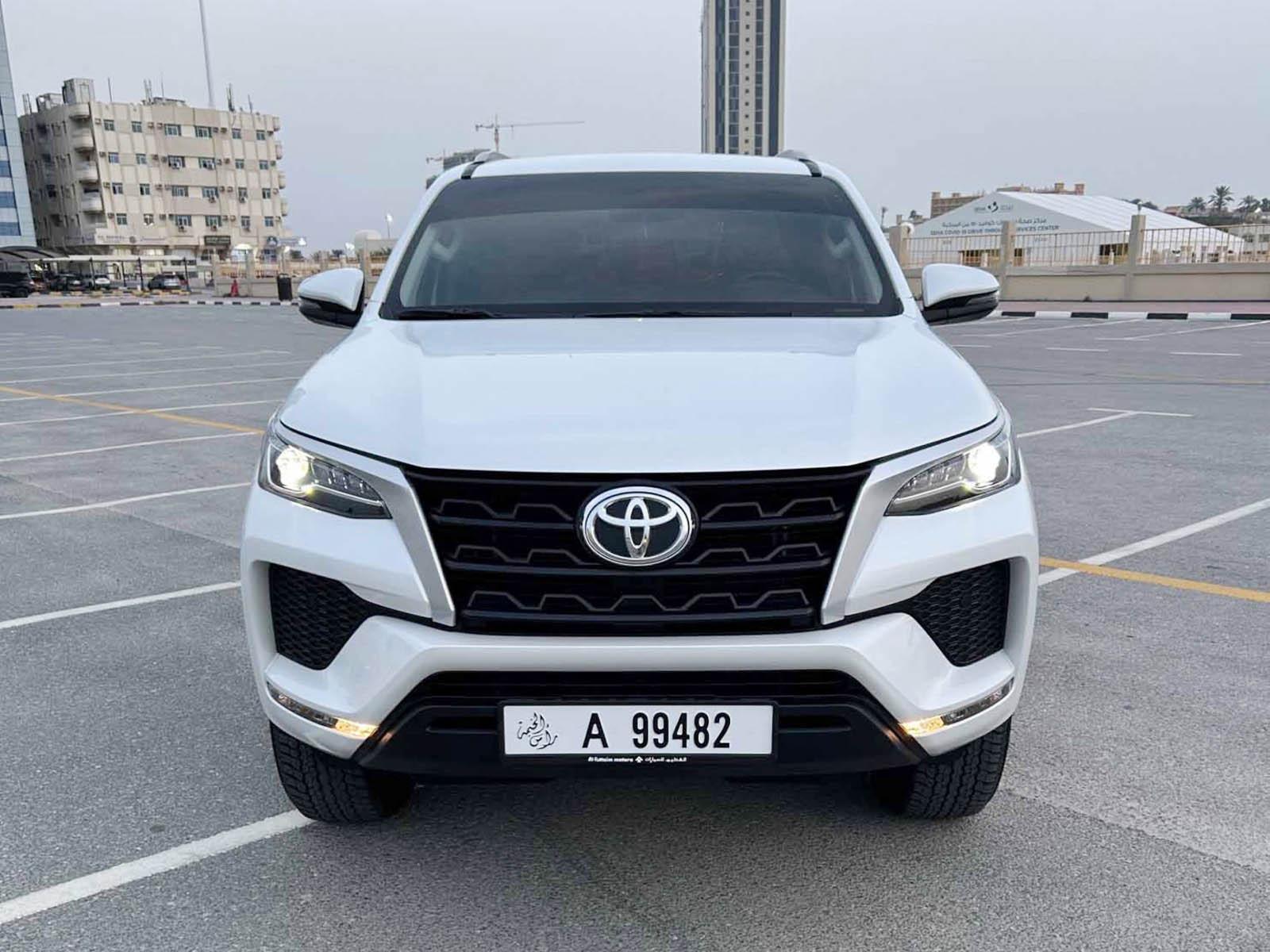
Choosing a pre-owned Toyota is popular for many drivers because the brand is known for reliability, strong resale value, and long-lasting performance. These qualities make Toyota one of the most trusted choices in the UAE’s used car market, especially for anyone comparing options among used SUVs in Dubai. Still, even the most dependable car can have a complicated past. This is why checking accident history is one of the most important steps before making a purchase. A clear record shows that the vehicle has been properly maintained and has not gone through any major incidents. On the other hand, undisclosed damage can create safety issues and result in repeated repair expenses later on.
Below is a detailed guide to understanding and verifying accident history so buyers can make confident decisions.
Why Accident History Matters
A car’s past affects its value and long-term performance. Even minor collisions can lead to alignment issues, weakened structural areas, and electrical problems that show up long after the repair. Knowing the full history helps you understand what kind of wear the vehicle may have faced and whether the asking price matches its condition. It also prevents unexpected expenses from old damage that was never fixed properly.
Accident history checks are especially important for Toyota models because these vehicles are known to last for many years. If a car has had multiple incidents but looks fine on the surface, it could still develop mechanical or safety problems later on.
Start With the VIN
Every Toyota has a Vehicle Identification Number. This unique code is the key to uncovering the car’s full story. The VIN can be found on the dashboard, door frame, or registration card. Once you have it, you can use it to request reports from local authorities or trusted auto-report platforms.
VIN-based reports often include:
• Past accidents
• Insurance claims
• Structural damage
• Airbag deployment
• Odometer inconsistencies
A quick VIN check can reveal issues that may not be visible during inspection.
Check with Local Traffic Authorities
In the UAE, accident history can be verified through official channels. The Roads and Transport Authority (RTA) in Dubai and the relevant traffic departments in other emirates allow buyers to request vehicle accident reports. These reports list any major incidents reported within the UAE.
An official record is one of the most reliable ways to confirm the car’s condition. If the report shows a clean history, it creates a stronger level of trust. If accidents are listed, the details can help you decide whether the repairs were minor, moderate, or significant.
Examine the Car in Person
A physical inspection can reveal signs of past damage that may not appear on digital reports, especially if repairs were completed privately and never recorded. During the inspection, look for:
• Uneven paint
• Gaps between panels
• Scratches under the bumper
• Mismatched lights
• Dampness in the trunk or floor mats
• Unusual sounds during test drives
Even if these signs are small, they may indicate that the vehicle experienced an impact.
If you want a more thorough inspection, consider hiring a professional mechanic. A qualified technician can check the chassis, underbody, suspension, and various mechanical parts that may have been affected by past accidents.
Review Service Records
A well-kept Toyota usually comes with organized service records. These documents help show how the owner maintained the car and whether any accident-related repairs were made. Toyota service centers in the UAE often keep digital records of maintenance, especially for newer cars.
Key items to look for include:
• Replaced body panels
• Suspension repairs
• Airbag replacements
• Frame welding or alignment work
If the service history shows consistent maintenance, it suggests that the car has been handled with care.
Ask the Seller the Right Questions
Not every seller will mention an accident unless you ask. Be direct and request specific information about the vehicle’s history. Some useful questions include:
• Has the car ever been in an accident?
• What parts were repaired or replaced?
• Was the insurance involved?
• Were repairs done at an authorized workshop?
Their responses, along with how confidently they answer, can help you judge the reliability of the information they provide. If anything sounds unclear, compare their answers with official reports.
Use Trusted Platforms for Extra Assurance
Many buyers prefer using a secure platform because listings often come with verified details. Some sites also allow users to compare multiple cars and request inspection reports before booking. Tools like these give a layer of transparency that reduces the risk of buying a car with hidden damage. OneClickDrive, for example, helps people compare listings from different sellers, which makes it easier to evaluate options that match your budget and requirements.
Pay Attention to Structural Integrity
Accidents can lead to uneven tire wear, vibrations at higher speeds, or a noisy suspension. Damage to the chassis or frame is even more serious because it can create long-term safety concerns. Before finalizing the purchase, make sure the car’s structure has not been compromised. Watch for signs of major impact damage, as these issues are difficult to repair completely and may affect the vehicle’s stability over time.
Frame damage can also reduce resale value, even if the car looks perfect from the outside.
Confirm Through Independent Reports
Some buyers go a step further and request independent inspection services. These services provide detailed assessments of the body, engine, paint thickness, electronics, and road performance. Another advantage is that they can detect whether the car is part of any safety recalls.
For people exploring used Jetour T2, independent reporting adds an extra layer of confidence. It ensures that the vehicle you are considering does not have hidden problems that could cause expensive repairs later on.
FAQs
1. How can I check the accident history of a used Toyota in the UAE?
Use the VIN to request an RTA or police accident report and compare the details with physical inspection results.
2. Is the RTA accident report reliable?
Yes, RTA records list all reported accidents within Dubai and are one of the most trusted sources for verifying a car’s history.
3. Can a physical inspection reveal past accidents?
Yes, signs like uneven paint, panel gaps, or unusual noises often show repairs that were never recorded officially.
4. Why is accident history important when buying a used Toyota?
It helps you avoid structural issues, safety concerns, and future repair costs that may not be visible during a quick inspection.
5. Where can I check VIN details for a used Toyota?
You can use UAE traffic authority portals, trusted report services, or inspection platforms that offer detailed VIN-based reports.
Final Thoughts
Accident history is one of the most revealing elements in the process of buying a used Toyota. By checking the VIN, requesting official reports, reviewing service records, and inspecting the car thoroughly, buyers can avoid costly surprises. Asking clear questions and using reliable platforms can help confirm whether the vehicle has been well maintained.
Taking the time to verify this information ensures that your purchase is reliable, safe, and worth the investment. With careful research and the right checks, buying a pre-owned Toyota becomes a straightforward and rewarding experience.