
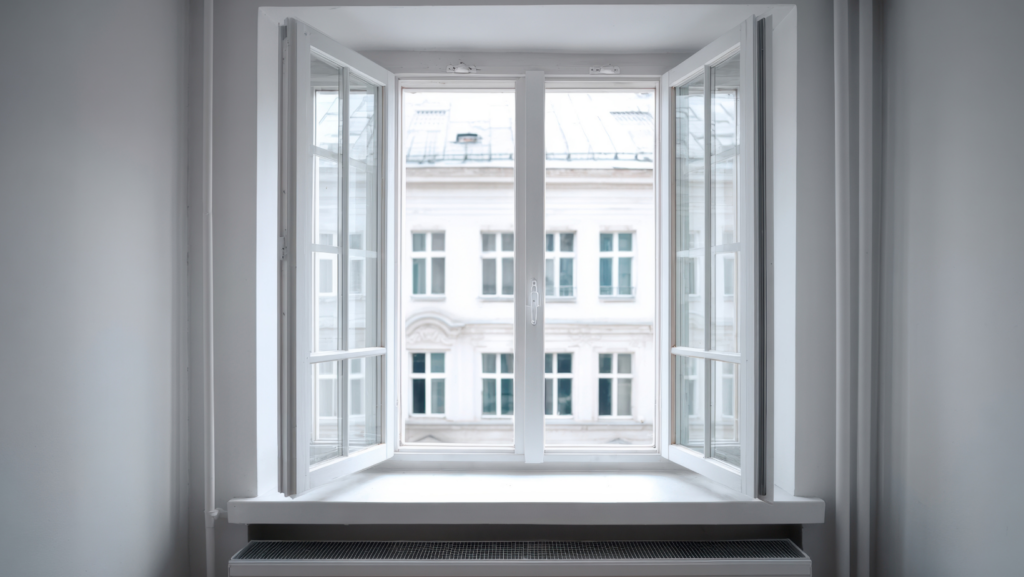
Casement windows are known for their clean sightlines, strong ventilation, and tight weather seal. But the performance of any casement window depends heavily on the quality and compatibility of its internal components. Choosing the right casement window parts ensures smooth operation, long-term durability, and proper energy efficiency. Whether you are repairing an existing window or upgrading hardware for better performance, understanding how these parts work together will help you make smarter decisions.
Below is a practical, contractor-informed guide to selecting the best components for your project while ensuring your investment delivers long-term value.
Understanding the Core Components of Casement Windows
Before purchasing replacements, it is important to understand what makes up a functioning casement system. The most common casement window parts include:
Operator or crank mechanism that opens and closes the sash
Hinges that support the window weight and allow outward swing
Locks and keepers that create a tight seal and improve security
Handles and covers for usability and aesthetics
Each of these parts must work together in alignment. If one component fails or is mismatched, the window may bind, leak air, or fail to lock properly. Choosing compatible casement window parts protects the integrity of the entire window system.
Why Quality Matters When Replacing Window Hardware
Low-grade hardware may appear cost-effective upfront, but it often leads to premature failure, frequent maintenance, and poor performance. High-quality casement window parts are typically manufactured from corrosion-resistant materials such as stainless steel, zinc alloy, or reinforced polymers. These materials perform better under temperature fluctuations and moisture exposure.
Durable parts also maintain smoother operation over time, preventing strain on the frame and glass. Well-built hinges and operators reduce friction and help preserve proper alignment, which directly affects air sealing and security.
Matching Parts to Your Window Brand and Size
Not all windows are built the same. Manufacturers often use proprietary dimensions and mounting configurations. When sourcing replacement casement window parts, always identify:
Window brand and model
Year of installation if possible
Measurement of operator arm length and spline size
Mounting hole spacing
Handing direction, left or right
Installing incorrectly sized casement window parts can cause misalignment or limit how far the window opens. Accurate matching ensures proper function and preserves the original engineering design of your window.
If the original brand is unknown, many suppliers offer universal casement window parts that can be adapted using adjustable mounting brackets or conversion kits. These should still be carefully measured prior to purchase.
Selecting Hardware Based on Climate and Usage
Environmental conditions should influence your selection. In coastal or humid regions, corrosion resistance becomes critical. In colder climates, components should maintain flexibility and lubrication performance in low temperatures. Choosing climate-appropriate casement window parts reduces maintenance needs and extends service life.
Usage patterns also matter. Windows that open frequently in kitchens, bedrooms, or offices require heavier-duty operators and reinforced hinges. High-traffic areas benefit from commercial-grade casement window parts designed for higher cycle counts.
Security and Energy Efficiency Considerations
Locks and weather seals play a major role in both safety and energy efficiency. Multi-point locking systems distribute pressure evenly along the frame, improving security while enhancing the airtight seal. Upgrading worn seals and locks using modern casement window parts can significantly reduce air infiltration and heating loss.
Proper sealing also prevents moisture intrusion that can lead to frame rot or mold growth. Investing in premium weatherstripping and tight-locking hardware protects your building envelope year-round.
Installation and Maintenance Best Practices
Even the best hardware performs poorly if installed incorrectly. Follow manufacturer instructions carefully and verify alignment before tightening fasteners. Lubricate moving components with manufacturer-approved products to prevent wear and corrosion.
Routine inspection of casement window parts allows early detection of loosening screws, worn gears, or degraded seals. Preventive maintenance reduces the risk of sudden failure and extends the lifespan of your window system.
For larger buildings or commercial properties, scheduling annual hardware inspections ensures consistent performance and regulatory compliance.
Choosing Trusted Suppliers and Verified Products
Work with reputable suppliers who specialize in window hardware and provide detailed product specifications, compatibility charts, and warranty coverage. Reliable vendors often carry OEM and certified aftermarket casement window parts that meet industry standards for load capacity, corrosion resistance, and safety performance.
Avoid generic products with limited documentation or unclear material composition. Verifiable certifications and manufacturer support help ensure long-term reliability and proper fit.
Building Long-Term Performance with the Right Components
Selecting the best casement window parts is not just about replacing broken hardware. It is about improving window performance, comfort, security, and longevity. By understanding component functions, verifying compatibility, selecting quality materials, and maintaining proper installation standards, you create a system that performs reliably for years.
When your windows operate smoothly, seal tightly, and resist environmental stress, your property benefits from improved energy efficiency, reduced maintenance costs, and enhanced occupant comfort. Making informed decisions about casement window parts protects both your investment and your building’s performance long into the future.