

The thermostat you choose directly affects how comfortably and efficiently your home maintains indoor temperatures throughout the year. Because it acts as the control center for your HVAC system, the right thermostat can reduce unnecessary energy usage, improve overall performance, and adapt to your daily habits with precision. Many homeowners underestimate how much impact this single device has on long-term savings, convenience, and climate stability. When selecting a thermostat, it helps to understand the technology behind each type, the compatibility requirements for your heating and cooling equipment, and the additional features that can help maintain consistent comfort without excessive adjustments or system strain.
Modern Thermostat Options
Selecting the right thermostat starts with understanding how different models influence comfort and system performance. Mechanical thermostats provide basic temperature control, while digital options offer greater accuracy and easier adjustments. Programmable and smart thermostats add timing features, automation, and learning capabilities that allow your equipment to respond more efficiently to your daily routine. The key is to match the thermostat’s capabilities to your system’s needs and your household’s lifestyle. Homeowners considering upgrades often find that modern thermostats provide more stable temperature control, clearer displays, and smoother interaction with heating and cooling cycles. Many experienced HVAC companies in Peoria advise homeowners to consider how technology can support both comfort and long-term energy management, especially when selecting among advanced models with different levels of automation.
Understanding Compatibility Requirements
Ensuring compatibility between your HVAC system and thermostat is one of the most important parts of the selection process, as HVAC systems vary significantly in wiring design, voltage, and control requirements. A thermostat that works perfectly for a heat pump may not be suitable for a conventional furnace-and-air-conditioner setup, and some systems require additional connections to manage fan speeds or auxiliary heat. Matching these details prevents communication errors, short cycling, and reduced efficiency over time. Even if a thermostat appears modern and full of helpful features, it will not perform well unless it fits the control structure of the system already installed in the home. Some homeowners choose programmable or smart models only to discover later that their system cannot support all available features, which leads to frustration and wasted investment. Considering these technical requirements avoids unnecessary complications and ensures that the thermostat functions as intended from the moment it is installed.
Evaluating Helpful Features
Once compatibility is confirmed, the next step in choosing a thermostat is to identify the functions that will actually improve comfort and convenience in your home. Programmable thermostats allow you to create temperature schedules that match your routine, helping reduce energy use while maintaining comfortable indoor temperatures throughout the day. Smart thermostats take automation further with learning capabilities, remote access, and detailed insights into energy usage patterns, giving homeowners greater control over heating and cooling. Some models monitor humidity levels or integrate with home automation systems, offering smoother management across different parts of the home. When reviewing available features, it becomes easier to understand how each function affects daily living, overall comfort, and long-term energy use. A thermostat should be a helpful companion to your HVAC equipment, offering control options that fit your household’s rhythm without unnecessary complexity.
Budget is another factor influencing thermostat selection, as prices vary widely based on features, brand, and technology. Homeowners should consider the long-term savings programmable or smart thermostats can deliver when determining whether those features align with their daily needs. Sometimes a simpler digital model provides sufficient performance, especially for systems that do not require advanced automation. By matching the thermostat’s cost to the potential benefits, households can make decisions that feel balanced, practical, and efficient.
Installation and Long-Term Use
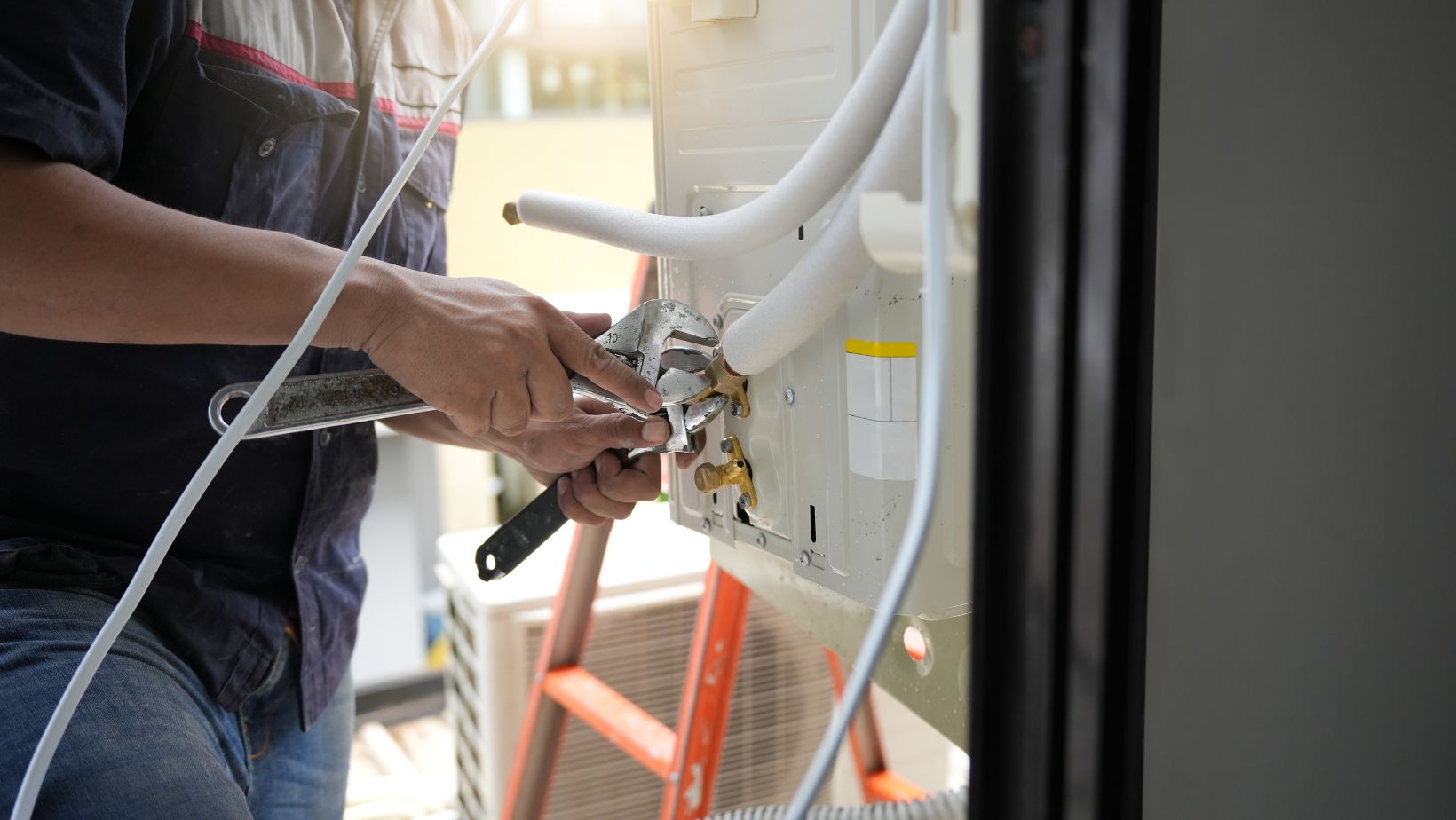
Proper installation helps ensure that the thermostat performs accurately and communicates effectively with the HVAC system, which is why many homeowners rely on trained technicians to set up wiring and test responses. Even a well-matched thermostat can behave inconsistently if installed incorrectly or placed in a poor location, such as near sunlight, vents, or drafty areas. Once installed correctly, the thermostat becomes an important tool for managing both comfort and efficiency. Over time, small adjustments, seasonal settings, and occasional recalibration help maintain accuracy and preserve your HVAC system’s performance. A well-chosen thermostat should feel easy to interact with, intuitive to set, and reliable throughout seasonal changes. Paying attention to these long-term factors ensures that the thermostat continues supporting a comfortable indoor environment without causing unnecessary strain on the heating and cooling system.
Choosing the right thermostat improves comfort and efficiency throughout your home, creating a balanced environment in every season. Because the thermostat is the central control point for the HVAC system, selecting one that aligns with your equipment, lifestyle, and personal preferences ensures smoother operation and better temperature control. Whether opting for a simple digital model or a more advanced option, the focus should remain on compatibility, usability, and long-term performance. With the right approach, a thermostat becomes more than a temperature controller—it becomes a reliable tool that enhances daily comfort, reduces energy waste, and supports the smooth functioning of your heating and cooling system for years to come.