
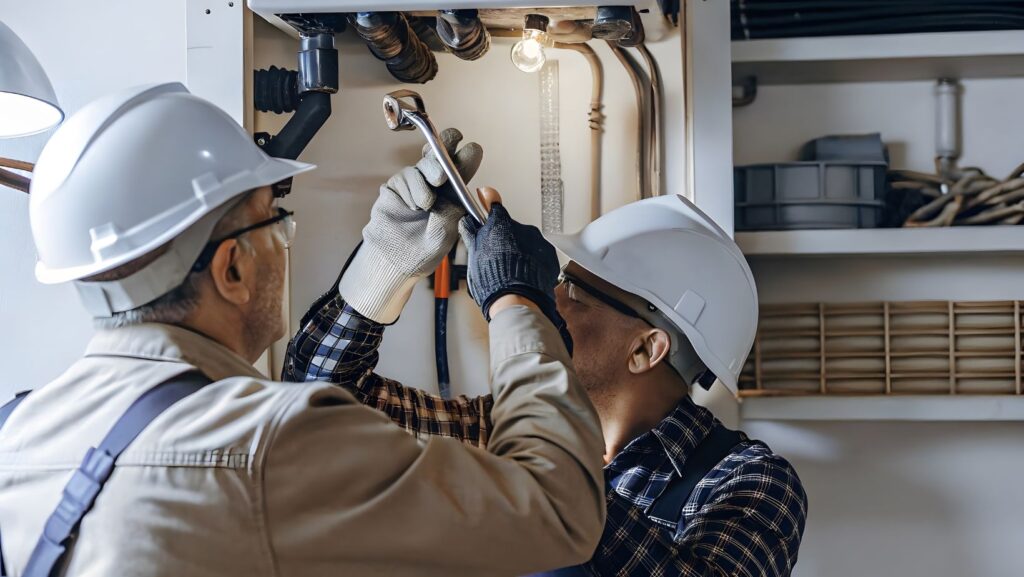
Plumbing emergencies rarely happen without warning. In many cases, small issues develop quietly over time until they reach a breaking point. Leaks behind walls, slow drains, pressure irregularities, and aging materials often show subtle signs long before a major failure occurs. Plumbers play an important role in identifying and addressing these early indicators, helping property owners avoid sudden disruptions and costly damage. Their work focuses not only on fixing visible problems but also on maintaining system balance and reliability. Understanding how plumbers help prevent plumbing emergencies underscores the value of regular maintenance and informed decision-making in protecting homes and buildings from preventable crises.
Preventing issues before they escalate
- Early Detection Through Routine Inspections
One of the primary ways plumbers help prevent emergencies is through routine inspections that uncover developing issues. During these visits, plumbers assess pipes, fixtures, and connections for signs of wear, corrosion, or stress. Small leaks, mineral buildup, and loose fittings are often detected at this stage, long before they cause flooding or structural damage. Pressure levels and water flow are also evaluated, as irregularities can indicate hidden blockages or failing components. Many property owners rely on trusted providers like Tennessee’s Choice Plumbing to perform these inspections consistently, enabling early addressing of concerns. By focusing on observation and assessment, plumbers reduce the likelihood that minor issues will evolve into sudden emergencies.
- Managing Water Pressure and System Balance
Water pressure that is too high or uneven can place continuous strain on plumbing systems. Over time, this strain weakens joints, valves, and appliance connections, increasing the risk of bursts or leaks. Plumbers help prevent emergencies by monitoring pressure levels and recommending adjustments when necessary. Pressure-regulating valves, expansion tanks, and system balancing measures are often used to maintain stability. When pressure remains within appropriate ranges, pipes experience less stress, and fixtures operate more reliably. This proactive approach protects the system as a whole rather than addressing damage after it occurs. Maintaining balance within the plumbing network is a key factor in long-term reliability.
- Drain Maintenance and Flow Preservation
Clogged or restricted drains are common contributors to plumbing emergencies. Slow drainage often indicates a buildup in the pipes, which can lead to backups or overflows if left unaddressed. Plumbers help prevent these situations by maintaining clear flow paths through cleaning and inspection. Drain maintenance addresses grease accumulation, debris, and mineral deposits that gradually reduce capacity. By restoring proper flow, plumbers reduce pressure within the system and prevent sudden blockages. This maintenance ensures daily use without interruption and minimizes the risk of wastewater re-entering living spaces. Regular maintenance of drainage systems helps keep plumbing functioning smoothly under normal and heavy-use conditions.
- Material Aging and Replacement Planning
All plumbing materials have a lifespan, and aging pipes are a common source of unexpected failures. Older materials may become brittle, corroded, or weakened by years of exposure to water and pressure changes. Plumbers help prevent emergencies by identifying aging components and advising on replacement timing. This planning allows property owners to replace vulnerable sections before failure, preventing sudden leaks or bursts. Replacement planning also helps spread costs over time rather than facing emergency repairs. By understanding how materials age in specific environments, plumbers can make informed decisions that reduce the likelihood of disruptive breakdowns.
- A Brief Look at Preventive Awareness
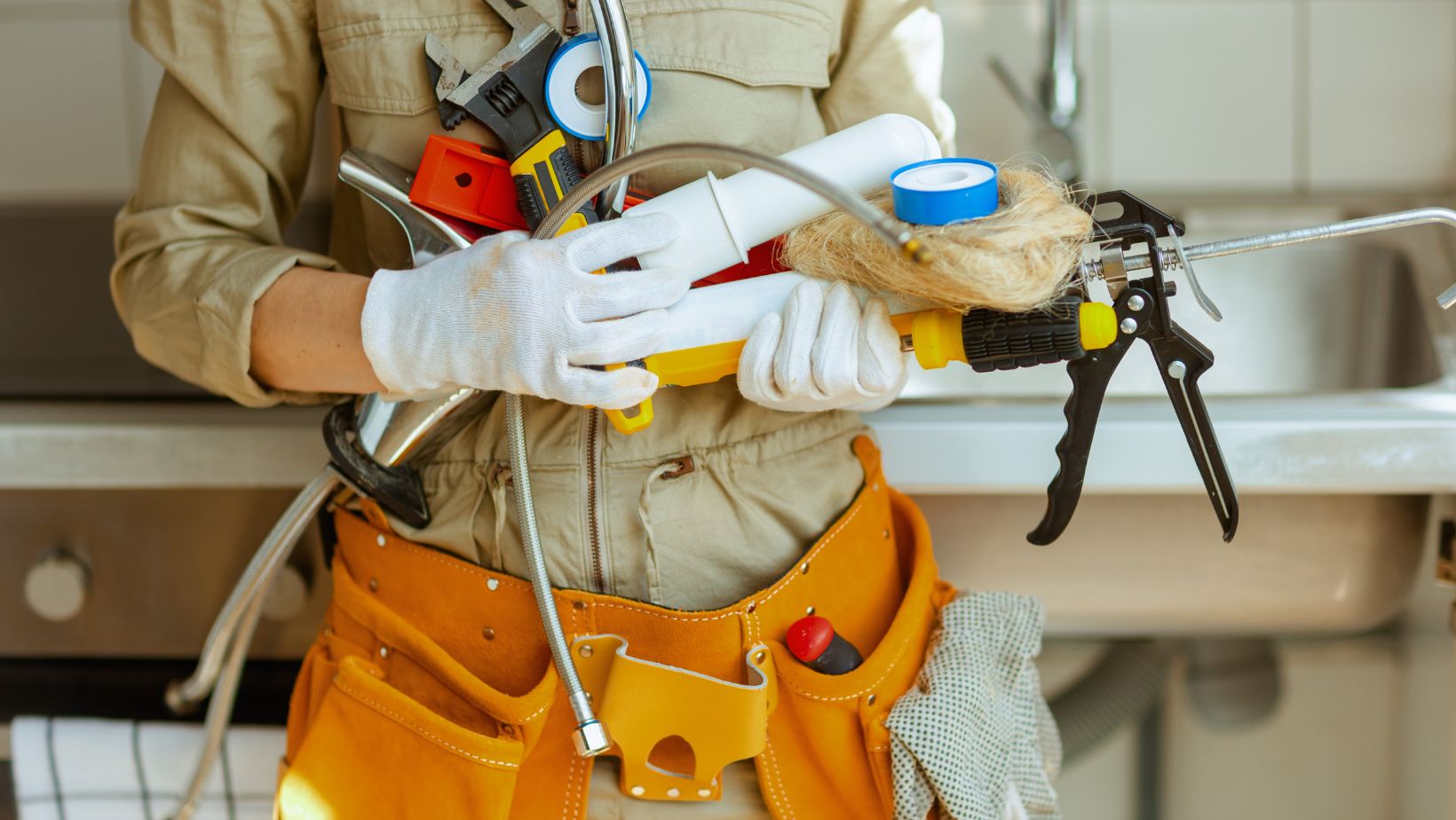
Preventive awareness is an important but often overlooked aspect of plumbing care. When property owners understand warning signs such as unusual sounds, slow drains, or changes in water pressure, they are more likely to seek assistance early. Plumbers contribute to this awareness by explaining system behavior and maintenance needs during service visits. This shared understanding helps prevent small concerns from being ignored. Awareness supports faster response and reduces emergency situations caused by delayed action.
- Protecting Fixtures and Connected Appliances
Plumbing emergencies often originate at connection points where fixtures and appliances meet the plumbing system. Washing machines, water heaters, dishwashers, and outdoor connections rely on hoses and valves that can wear over time. Plumbers inspect these connections to ensure they remain secure and functional. Replacing worn hoses, tightening fittings, and checking shutoff valves all reduce the risk of sudden leaks. By maintaining these connection points, plumbers help prevent water damage that can spread quickly throughout a property. This attention to detail protects both the plumbing system and the spaces it serves.
- Seasonal Preparation and Environmental Factors
Changes in weather and temperature can increase the risk of plumbing emergencies if systems are not prepared. Cold conditions may cause frozen pipes, while heavy rainfall can strain drainage systems. Plumbers help prevent seasonal issues by preparing systems for environmental changes. Insulating exposed pipes, checking outdoor drainage, and verifying sump or backflow systems are common preventive measures. Seasonal preparation reduces vulnerability during extreme conditions and supports uninterrupted service. By anticipating environmental impacts, plumbers help property owners stay ahead of potential emergencies rather than reacting after damage occurs.
Plumbers play a critical role in preventing plumbing emergencies by focusing on early detection, system balance, and ongoing maintenance. Through inspections, pressure management, drain care, and material planning, they address vulnerabilities before they escalate into disruptive failures. Preventive awareness, fixture protection, and seasonal preparation further reduce risk across different conditions. Rather than waiting for visible damage, plumbers support reliability through consistent attention and informed guidance. Understanding this preventive role highlights how regular plumbing care protects property, reduces stress, and helps maintain uninterrupted water service over time.