
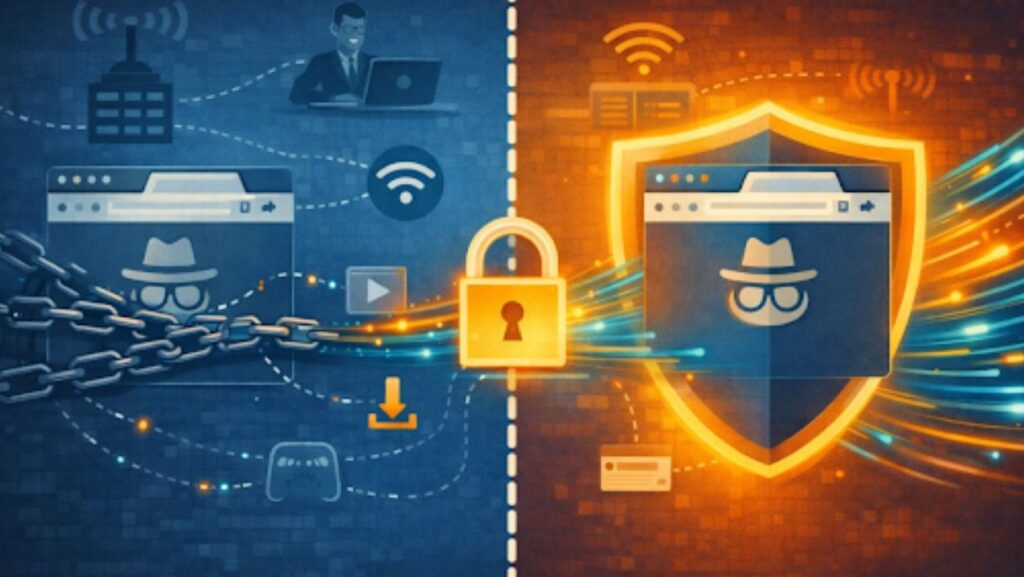
Online privacy and security have become everyday concerns rather than niche topics. From checking emails and managing finances to working remotely and browsing on public Wi-Fi, most of our daily activities now depend on a stable and secure internet connection. This is where a reliable VPN solution such as VPNLY plays an important role by helping users protect their data and maintain greater control over their online presence.
Still, one common question remains: Is a free VPN enough, or do you really need to pay for one? The answer depends on how, where, and how often you use the internet. Understanding the real differences between free and paid VPN services can help you make a more informed choice without unnecessary compromises.
Why VPN Services Matter More Than Ever
As internet usage continues to grow, so do the risks associated with it. Internet service providers, public Wi-Fi networks, advertisers, and even malicious third parties can potentially monitor or interfere with unprotected connections. A VPN adds an extra layer of security that reduces these risks.
What Is a VPN and How Does It Work?
A Virtual Private Network creates a secure, encrypted connection between your device and the internet. Instead of sending your data directly through your local network, a VPN routes it through a protected server. This process masks your IP address and encrypts your traffic, making it far more difficult for outsiders to see what you are doing online.
This secure tunnel is especially valuable when connecting to public Wi-Fi networks, where unencrypted traffic can easily be intercepted. By encrypting your connection, a VPN helps keep personal data, passwords, and browsing activity private.
Key Advantages of Using a VPN
A well-designed VPN service offers several practical benefits for everyday users:
- Improved security: Encrypted connections help protect against common cyber threats.
- Better privacy: Masking your IP address reduces online tracking.
- Safer public Wi-Fi use: Sensitive data stays protected even on open networks.
- More control over your connection: VPNs help users maintain consistency across different networks.
These advantages explain why VPN usage has moved from being a niche tool to a mainstream online necessity.
Paid vs. Free VPN Services: What Really Sets Them Apart?
At first glance, free and paid VPNs may appear similar. Both promise privacy and security, but the actual experience can be very different once you start using them regularly.
Security and Privacy Differences
Paid VPN services typically invest heavily in modern encryption standards, transparent privacy policies, and secure infrastructure. This often includes strict no-logs practices, meaning user activity is not stored or tracked.
Free VPNs, on the other hand, may rely on alternative revenue models. In some cases, this can result in weaker encryption, limited transparency, or data collection practices that users are not fully aware of. While not all free VPNs are the same, this is an area where caution is essential.
Speed and Performance Considerations
Performance is another noticeable difference. Paid VPNs usually operate larger server networks with optimized bandwidth, allowing for smoother connections and more consistent speeds.
Free VPNs often have fewer servers and higher user loads, which can lead to slower speeds, connection drops, or restricted access during peak hours. For light browsing this may be acceptable, but it can become frustrating for more demanding use.
Server Availability and Flexibility
Server variety plays a major role in connection quality. Paid services generally offer broader server coverage, resulting in better stability and flexibility.
Free VPNs usually limit server options, which can affect both speed and reliability over time.
The Often Overlooked Downsides of Free VPNs
“Free” does not always mean cost-free in the long run. Many free VPN services come with limitations that are not immediately obvious.
Privacy Trade-Offs
Some free VPNs collect usage data to support advertising or analytics partnerships. This can include connection timestamps, device information, or general browsing behavior. While not always malicious, it does raise privacy concerns for users seeking genuine anonymity.
Advertising and User Experience
Advertising is another common trade-off. Free VPN apps may display frequent pop-ups or in-app ads that interrupt normal browsing. In some cases, these ads can negatively impact both usability and trust.
Usage and Bandwidth Limits
Bandwidth caps are among the most common restrictions. Free VPNs may limit daily or monthly data usage, making them unsuitable for consistent use. Once the limit is reached, speeds may be throttled or access temporarily restricted.
When a Free VPN Can Be a Practical Choice
Despite their limitations, free VPNs can still be useful in specific situations.
Occasional Public Wi-Fi Protection
If you only need protection when connecting to public Wi-Fi occasionally, a free VPN can provide a basic layer of encryption that reduces exposure to common risks.
Everyday Browsing Privacy
For users who simply want to reduce basic online tracking during casual browsing sessions, a free VPN can offer enough protection without added complexity.
Trying a VPN for the First Time
Free VPNs are also helpful for users who want to understand how VPN technology works before committing to a long-term solution. Testing connection behavior and app usability can make future decisions easier.
Situations Where a Paid VPN Becomes Essential
There are certain scenarios where relying solely on a free VPN may not be sufficient.
Consistent Streaming and High Data Usage
Users who stream content regularly or download large files benefit greatly from the speed and stability of paid VPN services. Free versions often struggle to maintain performance under these conditions.
Handling Sensitive or Professional Data
Remote workers, freelancers, and business users often deal with confidential information. Strong encryption standards and reliable privacy practices are critical in these cases, making paid VPN services a safer option.
Reliable Global Access
If consistent access to international online services is important, paid VPNs offer better server availability and connection reliability across regions.
Getting Started with VPNLY on Your Devices
For users looking for a balance between accessibility and usability, VPNLY offers easy setup options across platforms. Whether you prefer mobile or desktop use, getting started takes only a few steps.
- Android users can download the official VPN app directly from the Google Play Store and start securing their connection within minutes.
- iOS users can install the VPN app from the App Store, designed for a smooth and intuitive experience on Apple devices.
Both options are built with ease of use in mind, making VPN protection accessible even for first-time users.
Final Thoughts: Choosing the VPN That Fits Your Needs
There is no single answer that works for everyone. Free VPNs can be useful for light, occasional use and basic privacy needs. However, as online habits become more demanding, the advantages of a more robust VPN solution become clearer.
By understanding your own usage patterns and expectations, you can choose a VPN option that aligns with your priorities. Whether you start with a free solution or move toward a more comprehensive setup, being informed is the key to a safer and more controlled online experience.