
Just a few years ago, CBD and hemp products existed mostly on the fringes of wellness culture, something discussed quietly or tested by a small group of early adopters. Today, the conversation is completely different. You’ll find CBD mentioned in podcasts, skincare launch campaigns, fitness communities, and even casual celebrity interviews. It’s becoming part of everyday wellness language, where someone might talk about experimenting with a new skincare serum, swapping morning coffee for a calming tea, or exploring a well-known hemp-derived line like Delta Extrax as part of a broader curiosity about stress relief and lifestyle balance. What once felt unconventional is now being discussed the same way people compare supplements, new dietary habits, or personal care rituals.
This shift didn’t happen overnight. It emerged slowly, from athletes talking about recovery options, to celebrities mentioning anxiety support, to TikTok content creators reviewing CBD-infused everything from lip balm to bath salts. The result? CBD and hemp have moved from niche products to mainstream culture, especially among younger generations who grew up more open to wellness experimentation and less influenced by old stigmas. CBD Pre Rolls have become a centerpiece of this movement, offering a high-quality and expertly crafted way to enjoy the plant’s natural benefits with maximum ease and purity.
The Role of Celebrities and Influencers
Pop culture plays a huge role in normalizing trends, and cannabis-adjacent wellness products are no exception. The moment a public figure mentions something, even briefly, it becomes part of a larger conversation.
Actors, musicians, content creators, and even retired athletes have publicly discussed exploring CBD or hemp-derived products for relaxation, sleep support, skincare, recovery, or general wellness routines. Once those conversations began circulating in interviews, podcasts, Instagram stories, and lifestyle features, curiosity increased dramatically.
For many consumers, seeing well-known figures treat CBD as just another personal choice, no different from choosing a yoga mat or herbal tea, helped reshape public perception.
Social Media as a Cultural Accelerator
What truly amplified the shift wasn’t just celebrity endorsement, it was community conversation.
Platforms like TikTok, Reddit, and Instagram are filled with users discussing experiences, reviewing products, comparing textures, or sharing wellness journaling routines that include CBD. Instead of top-down messaging, the trend expanded horizontally, peer to peer, post to post.
Some users talk about skincare benefits, others discuss sleep routines, and some simply mention CBD the same way someone might talk about trying a new latte flavor. That casual tone signals something important:
CBD products aren’t being framed as “taboo”, they’re now part of lifestyle identity and wellness behavior.
A Growing Focus on Stress Relief and Wellness
Much of the rise in CBD’s popularity aligns with an increase in conversations around stress, burnout, and mental balance, especially after global events that reshaped work, routines, and emotional health.
Wellness culture used to be mostly about fitness or dieting. Today, it’s about:
- Sleep
- Mental clarity
- Stress regulation
- Nervous system support
- Calm routines
CBD and hemp-derived products entered the conversation at the same time society began prioritizing calmness over intensity. That timing accelerated acceptance.
According to the National Institutes of Health, there has been a steady rise in public interest and clinical research surrounding cannabinoid-based products over the last decade, particularly in areas related to anxiety, sleep, and pain management. While research remains ongoing, interest is undeniably growing.
Personalization and Lifestyle Integration
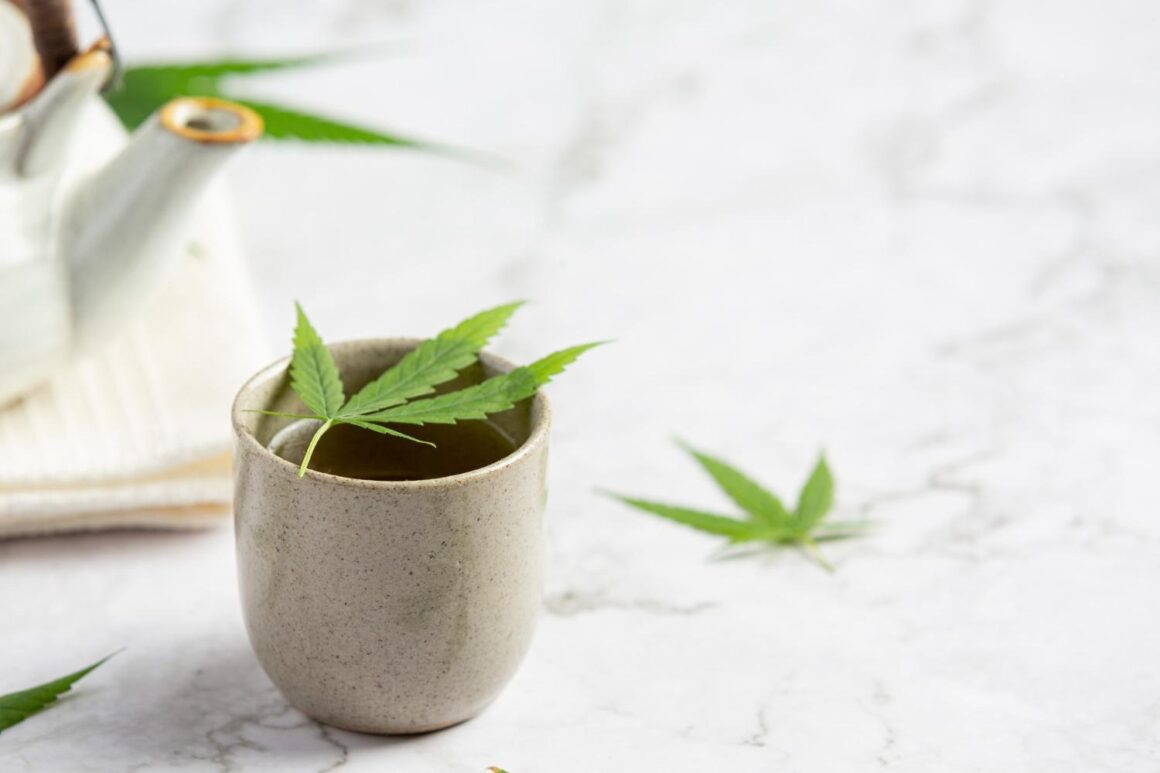
Image from Freepik
Unlike many traditional wellness trends that push everyone into one method, CBD culture has grown in a more personalized way.
People don’t talk about it as a “one-size-fits-all solution.”
Instead, the conversation sounds like:
- “I tried this because sleep is hard during stressful weeks.”
- “I added it to my skincare routine and noticed a difference.”
- “I use it sometimes, not every day, just when I want to unwind.”
That more relaxed and individualistic tone helps people feel comfortable exploring the topic without pressure or expectation.
Shifting Generational Attitudes
Younger generations tend to view cannabis products differently than older ones, partly due to changing laws, partly due to cultural exposure, and partly because wellness is evolving from something rigid to something adaptive.
For Gen Z and Millennials, CBD sits in the same category as:
- Adaptogens
- Matcha
- Meditation apps
- Aromatherapy
- Herbal supplements
It’s not rebellious. It’s part of a self-care toolkit.
Meanwhile, older generations, who still experienced more stigma growing up, are slowly becoming more curious as the cultural tone softens and discussions become more mainstream.
Where the Conversation Is Headed
As cannabis-adjacent wellness becomes more normalized, the future may look less like a trend and more like integration.
Rather than being discussed as something “new,” CBD might become:
- A category in beauty aisles
- A standard menu option in cafes
- A common ingredient in relaxation products
- A familiar part of wellness vocabulary
If the trajectory continues, future conversations might be less about whether CBD belongs in mainstream culture and more about how people decide to incorporate it based on personal preference.
Cannabis culture isn’t entering mainstream life through shock or rebellion, it’s entering through conversation, familiarity, and curiosity. Whether someone encounters CBD in a skincare routine, a calming ritual, a fitness setting, or a casual recommendation from a friend, the tone has shifted from skepticism to exploration.
It’s no longer about being part of a counterculture. It’s about people finding tools, routines, and choices that fit their lifestyle, without judgment or stigma.