

When beginners start exploring online casino games, they often focus on jackpots, bonuses, and exciting features. One important concept, however, usually goes unnoticed at first: the house edge. Understanding what house edge means is essential for new players because it explains why casinos make money and how different games behave over time.
House edge is not something to fear. It’s simply part of how casino games are designed. When beginners understand it clearly, they gain realistic expectations and make smarter choices, leading to a calmer and more enjoyable gaming experience.
What Is House Edge?
House edge is the built-in mathematical advantage that a casino has over players. It is usually shown as a percentage and represents how much the casino expects to earn over the long run.
For example, if a game has a house edge of 2 percent, the casino expects to earn 2 units for every 100 units wagered over a large number of plays. This does not mean a player will lose 2 units every time they bet 100. Short-term results can vary widely.
House edge works in the background and becomes noticeable only over time. Individual sessions can still produce wins, losses, or breakeven results.
Why House Edge Exists at All
Casinos are businesses. Without a built-in advantage, they would not be able to operate sustainably. House edge ensures that casinos can pay staff, maintain systems, support customer service, and continue offering entertainment.
Fairness does not mean equal outcomes. It means the rules apply consistently and randomly, not that players are guaranteed profits.
Platforms offering diverse game options, such as those associated with 711 slot, clearly operate within structured systems where house edge is defined rather than hidden.
House Edge vs RTP: Two Sides of the Same Coin
House edge and RTP (Return to Player) are closely related. RTP shows how much a game pays back to players over time, while house edge shows what the casino keeps.
If a game has an RTP of 96 percent, its house edge is typically around 4 percent. These values apply across long periods of play, not individual sessions.
Beginners often misunderstand RTP as a promise. In reality, it’s a statistical guideline, not a guarantee.
Simple Casino Games and Their House Edges
Not all casino games have the same house edge. Some games are more beginner-friendly because their house edge is lower.
In blackjack, for example, the house edge can be relatively low when players use basic strategy. This means players lose slower over time compared to games with higher house edges.
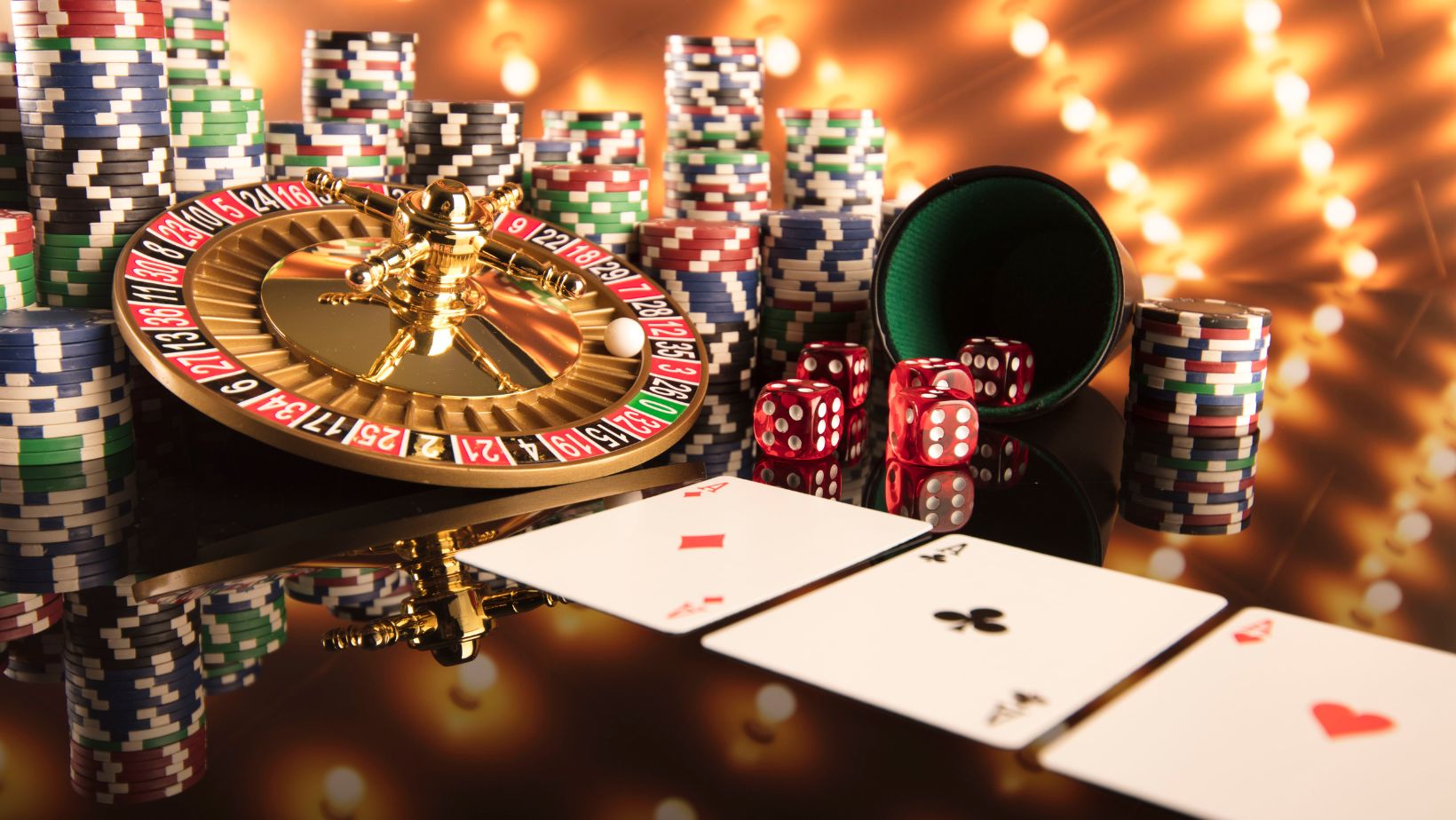
Roulette has different house edges depending on the version. European roulette offers better odds than American roulette due to the number of zero pockets.
Baccarat is another simple game with a low house edge, especially when betting on the banker option. Many beginners find baccarat appealing because of its simplicity and steady pace.
Slots, on the other hand, usually have higher house edges. While they can be exciting and easy to play, they generally involve more risk over time.
Why House Edge Does Not Prevent Winning
One of the biggest beginner misunderstandings is assuming house edge means players can never win. This is not true.
House edge works over thousands or millions of bets. Individual players may experience winning sessions, lucky streaks, or even large wins.
Short-term outcomes depend on chance, not averages. A beginner can win on their very first session just as easily as they can lose.
House edge explains long-term behavior, not individual experiences.
How House Edge Affects Bankroll Over Time
House edge impacts how fast a bankroll changes. Games with higher house edges tend to drain money faster over long sessions.
Games with lower house edges allow players to enjoy longer playtime with the same budget. This is why many experienced players prefer table games over slots.
Beginners using platforms like 711thai often notice that steady, structured games feel less volatile than fast-paced, high-risk games.
Choosing games with lower house edges helps beginners manage their bankroll more effectively and reduces emotional stress.
The Role of Game Speed
Game speed works alongside house edge. Faster games result in more bets per hour, which increases exposure to the house edge.
Slots and automated games can place many bets quickly, accelerating losses even if the house edge is similar to slower games.
Live dealer games, blackjack, and baccarat move more slowly, giving players time to think and reducing the number of bets placed in a session.
Understanding game speed helps beginners control spending and session length.
Skill vs House Edge
Some casino games allow limited skill or decision-making. Blackjack is the best example. Using basic strategy reduces the house edge significantly.
However, skill never eliminates the house edge entirely. Even skilled players experience losses.
Skill helps control damage, not guarantee success. Beginners should see strategy as a way to improve efficiency, not beat the system.
Why House Edge Is Often Ignored by Beginners
Beginners often focus on jackpots, bonus features, or popularity instead of underlying math. House edge feels abstract compared to visual excitement.
Marketing rarely highlights house edge because it’s not flashy. However, understanding it gives beginners a strong advantage in decision-making.
Knowledge replaces superstition and emotional thinking.
House Edge and Responsible Play
Understanding house edge reinforces responsible gaming habits. It reminds players that casino games are entertainment, not income sources.
When beginners accept that losses are part of the experience, they are less likely to chase losses or increase bets emotionally.
House edge encourages budgeting, limits, and smart choices.
How Beginners Should Use House Edge Knowledge
Beginners don’t need to calculate percentages while playing. Simply knowing which games are generally lower-risk helps guide decisions.
Choosing games with lower house edges, playing slower-paced games, and managing bet sizes all help stretch a bankroll.
The goal is enjoyment, not mathematical perfection.
Common Myths About House Edge
Some beginners believe house edge changes depending on time or player behavior. This is false.
House edge is fixed within a game’s rules. It does not adjust for winning or losing streaks.
Believing otherwise leads to emotional mistakes.
House Edge in Demo Mode vs Real Play
Demo mode uses the same house edge as real-money play. The difference is financial risk, not mechanics.
Demo play helps beginners experience how games behave without money pressure, reinforcing understanding.
It’s one of the best ways to see house edge effects safely.
Why Knowing House Edge Makes You a Smarter Player
Understanding house edge shifts mindset from chasing wins to managing experiences. It teaches patience, calm, and control.
Smart players don’t expect to win every session. They expect entertainment with ups and downs.
This perspective protects both finances and emotions.
Final Thoughts
House edge is not a trick or a threat—it’s simply how casino games work. For beginners, understanding house edge removes confusion and replaces fear with knowledge.
Knowing that different games carry different house edges helps new players choose games that suit their comfort level, budget, and expectations.
By playing responsibly on trusted platforms like those associated with 711 slot and 711thai, beginners can enjoy casino gaming as a form of entertainment rather than pressure.
Casino games are most enjoyable when played with understanding, patience, and realistic expectations. House edge explains the rules of the game—once you know them, you’re free to play wisely and confidently.