
1. Small Problems Are Easy to Ignore
Most problems around the house do not begin as emergencies.
A strange noise, a slow drain, a room that suddenly feels warmer than the others, or a small patch of moisture can be easy to notice and even easier to ignore. If everything still works, dealing with it can always wait until next week.
The problem is that many household systems continue working even when something is already wrong.
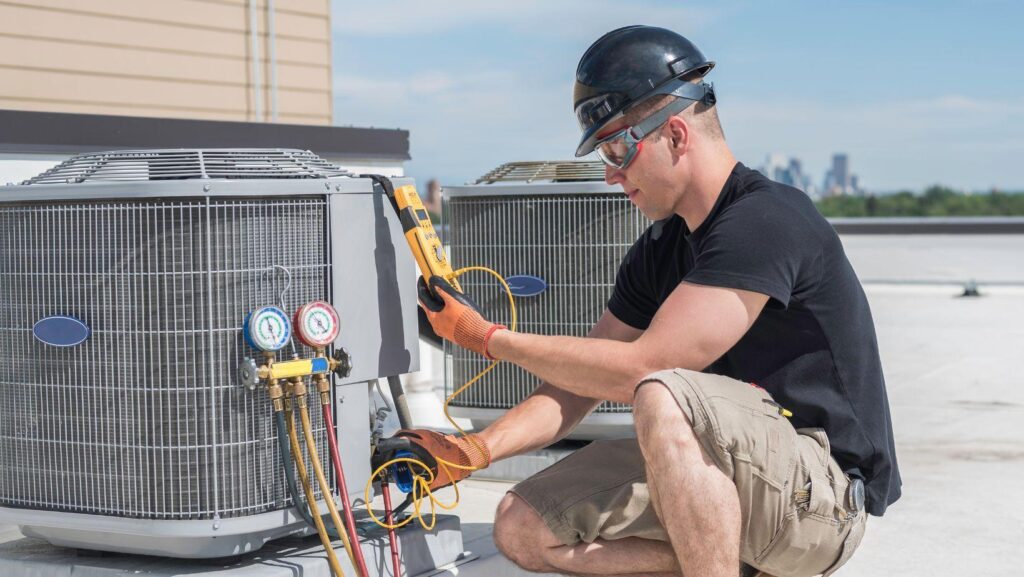
Heating and cooling systems are a good example. Reduced airflow, unusual noises, inconsistent temperatures, or a system that runs longer than usual may seem like minor inconveniences at first. If those changes continue, homeowners may eventually need services such as hvac repair sacramento to identify what is causing the system to perform differently.
Paying attention early does not mean assuming every small issue is serious. It simply means noticing when something that used to work normally no longer does.
2. A Small Leak Can Travel Further Than You Think
A few drops of water rarely look threatening.
That is one reason leaks can go unnoticed for so long. Water may slowly move behind cabinets, underneath flooring, or inside walls before visible damage appears.
By the time a stain develops on a ceiling or a musty smell becomes noticeable, moisture may have already affected a much larger area.
Checking under sinks, around appliances, near toilets, and around windows occasionally can make a difference. The goal is to find the source while the problem is still limited rather than waiting for the damage to reveal it.
3. Your Home Usually Gives You Warning Signs
Many household problems provide some indication before they become serious. The signs are not always dramatic, which is why they are easy to dismiss.
Some worth paying attention to include:
- New or unusual sounds from appliances or home systems
- Changes in water pressure or slow drains
- Rooms that suddenly feel unusually hot or cold
- Lights that flicker regularly
- Damp smells or unexplained moisture
- Doors or windows that become difficult to open
- Unexpected increases in energy or water use
One unusual event may mean very little. A change that keeps happening deserves more attention.
Knowing what is normal for your home makes it much easier to recognize when something changes.
4. Appliances Rarely Stop Working Without Any Warning
A refrigerator may start making more noise. A washing machine might shake more than it used to. A dishwasher may leave dishes slightly wet or fail to drain completely.
Because the appliance still technically works, replacing or repairing it rarely feels urgent.
But performance changes can sometimes indicate that individual parts are wearing out or that the appliance is working harder than necessary.
Cleaning filters, checking connections, and following basic maintenance recommendations can help. More importantly, repeated changes in performance should not automatically become part of the new normal.
5. The Exterior Is Easy to Forget
Problems inside the house are difficult to avoid because we see them every day.
The exterior is different.
Most homeowners do not regularly inspect the roof, gutters, siding, foundation, or areas around exterior doors and windows. Months can pass before a small change is noticed.
After storms or major seasonal changes, it can be useful to walk around the property and simply look.
Loose materials, overflowing gutters, damaged seals, standing water, and small cracks are easier to deal with when they are still exactly that: small.
6. Putting Off Repairs Can Change the Problem
Waiting does not always make a repair more complicated, but it creates the opportunity for that to happen.
A small plumbing leak can affect surrounding materials. A minor roof issue can allow water inside. An inefficient heating or cooling system may have to work harder to maintain the same temperature.
This is where the original problem can begin creating secondary ones.
There is also a practical advantage to addressing issues early. A planned repair gives homeowners time to understand the problem, consider their options, and arrange the work properly.
An emergency gives them far fewer choices.
7. Maintenance Does Not Mean Constantly Fixing Things
Keeping a home in good condition does not require inspecting every corner every weekend.
Much of it comes down to awareness.
Notice when something sounds different. Pay attention when a room suddenly feels less comfortable. Investigate the stain that was not there last month instead of assuming it will disappear.
Regular maintenance can also be attached to routines that already exist. Changing HVAC filters, cleaning gutters, checking smoke detectors, inspecting visible plumbing, and looking over the exterior can all happen periodically rather than becoming constant chores.
The purpose is not to find problems everywhere. It is to understand the normal condition of the home well enough to notice meaningful changes.
8. Small Attention Can Prevent Bigger Disruption
Every home develops problems eventually.
Materials age, equipment wears down, weather causes damage, and systems that work every day will occasionally need attention. That is simply part of owning a home.
What homeowners can control is how long obvious warning signs are allowed to continue.
The strange noise, small leak, weak airflow, or loose piece of siding may turn out to be nothing serious. But checking it early is usually easier than discovering months later that the original issue has affected something else.