
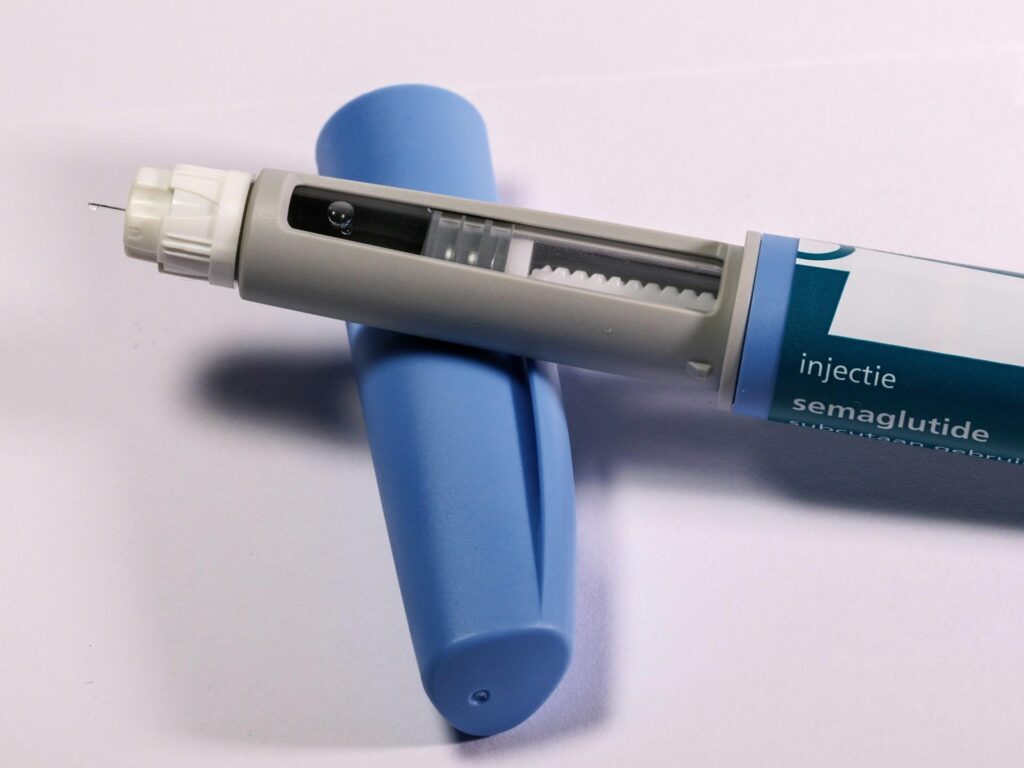
You may have heard about a class of medications, originally made for diabetes and weight loss, that researchers are now studying for something unexpected: reducing cravings in addiction. The idea behind how GLP-1 addiction treatment works is generating real interest, though it’s still an emerging area. Here’s a clear, grounded explanation of what these medications are and what the early research suggests.
This is a promising but still developing field, so it helps to separate what’s established from what’s still being studied. Approaching it with clear eyes, neither dismissive nor overhyped, serves people best.
What GLP-1 medications are
GLP-1 receptor agonists were developed to treat type 2 diabetes and, more recently, obesity. They work by mimicking glucagon-like peptide-1, a naturally occurring hormone that helps regulate blood sugar, slows digestion, and signals fullness to the brain. Well-known examples include semaglutide and tirzepatide, sold under various brand names for diabetes and weight management.
These medications are FDA-approved for diabetes and obesity. They are not FDA-approved for treating substance use disorders, so any use in addiction is considered off-label, a point worth understanding clearly from the outset. Off-label prescribing is a common and legitimate medical practice, but it means the use is based on emerging evidence rather than formal approval for that purpose.
The unexpected discovery
What drew the attention of addiction researchers was a surprising pattern. Patients taking these medications for diabetes or weight loss began reporting that their cravings for alcohol, nicotine, and other substances had noticeably decreased, sometimes substantially. What started as scattered anecdotal reports has since prompted a growing body of formal research into whether these medications could help in addiction.
It’s an intriguing example of a medical discovery emerging from real-world observation. Those early reports were striking enough that scientists began designing studies to test the effect rigorously, and the pattern has held up well enough to sustain serious scientific interest.
How they might help with cravings
Addiction is fundamentally tied to the brain’s reward circuitry. GLP-1 receptors are found in brain regions involved in reward and motivation, and researchers believe these medications may influence the dopamine signaling that drives compulsive substance use. In simple terms, they appear to turn down the intensity of cravings rather than numbing a person or eliminating the capacity for normal pleasure.
Researchers also think the effect may work through several pathways, not dopamine alone, which could help explain why reduced cravings have been reported across different substances. The full mechanism is still being mapped, but the multi-pathway idea is part of what makes the science compelling and worth continued study.
Which substances are being studied
Much of the early research has focused on alcohol, where the findings have been especially encouraging, but studies are also examining nicotine, opioids, and stimulants. The breadth is notable: rather than appearing to help with just one substance, GLP-1 medications seem to influence cravings across several. This is consistent with the idea that they act on the brain’s general reward machinery rather than a single substance-specific pathway.
That said, the depth of evidence varies by substance, with alcohol the most studied so far. Across the board, researchers describe the work as early and emphasize the need for larger trials before drawing firm conclusions about any particular substance.
An emerging, not established, treatment
It’s important to keep expectations realistic. While the early findings are encouraging, this is an emerging area, and researchers consistently emphasize that larger trials are needed to confirm the effects and establish safe, effective use. GLP-1 medication is not a cure for addiction, and it isn’t a substitute for comprehensive treatment. Where it’s used in addiction care, it’s under careful medical supervision as one part of a broader plan.
Where this fits in treatment
If GLP-1 medication does have a role in addiction care, it’s as one part of a comprehensive approach, not a replacement for it. Reputable programs that offer GLP-1 addiction treatment integrate it into a full plan that includes therapy, medical care, and support for the whole person. The medication may help quiet cravings, but the deeper work of recovery, addressing the emotional and psychological roots of addiction, still has to happen alongside it.
This integrated view is the responsible way to understand the medication’s potential. It can be a valuable tool, but it works best in skilled hands as part of something larger, under careful medical supervision with proper evaluation and monitoring.
A reason for measured hope
For people who have struggled with relentless cravings, especially those who haven’t found enough relief from existing treatments, this emerging research offers a genuine reason for hope. The possibility of a new tool that quiets cravings at the neurochemical level is meaningful. At the same time, measured expectations matter: this is a developing area, not a finished story.
The healthiest stance is informed, hopeful, and patient. Following the research as it matures, and consulting qualified medical professionals about whether GLP-1 addiction treatment might fit a particular situation, is far wiser than either dismissing the science or expecting miracles from it.
Frequently Asked Questions (FAQs)
1. Are GLP-1 medications approved for addiction?
No. GLP-1 medications are FDA-approved for type 2 diabetes and obesity, not for substance use disorders. Their use in addiction is off-label and still being studied, though a growing body of research is exploring their potential under medical supervision.
2. How might GLP-1 medications reduce cravings?
Researchers believe they influence the brain’s reward and dopamine systems, appearing to lower the intensity of cravings. The effect may involve several pathways, which could explain why reduced cravings have been reported across different substances. The mechanism is still being studied.
3. Can a GLP-1 medication treat addiction on its own?
No. It is not a standalone cure. Addiction involves emotional, psychological, and behavioral dimensions that medication alone cannot address. Where used, GLP-1 therapy is one component of a comprehensive treatment plan, under medical supervision, not a replacement for it.
The science is young but genuinely promising, and understanding how GLP-1 addiction treatment works helps people approach it with informed, realistic hope.