
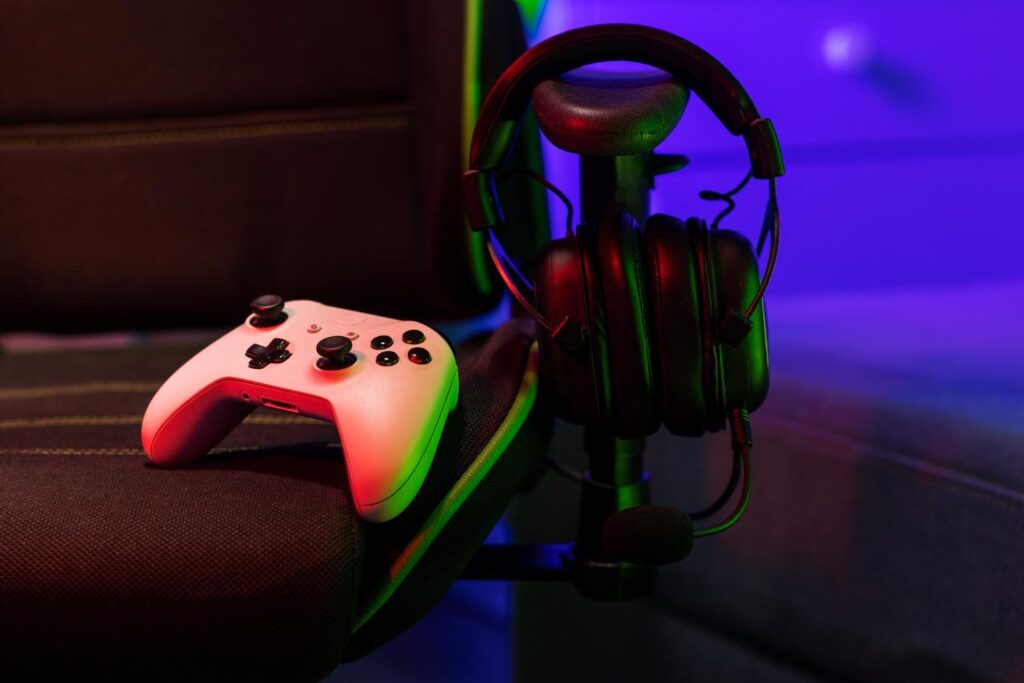
Online gaming has come a long way from its humble beginnings. What started as simple pixel-based experiences has transformed into massive, immersive digital worlds that blur the line between reality and virtual space. Today, players are no longer just controlling characters, they’re living inside games, interacting with others globally, and even engaging in entertainment ecosystems that include everything from competitive esports to casual slot and toto style gaming.
This evolution didn’t happen overnight. It’s the result of decades of technological advancement, shifting player behavior, and the constant push for more engaging experiences. Let’s break it down.
The Early Days: Pixels, Simplicity, and Local Play
Back in the late 1970s and 1980s, gaming was all about simplicity. Graphics were basic, controls were limited, and most games were played solo or with someone sitting right next to you. Think blocky characters, 8-bit soundtracks, and straightforward mechanics.
There was no such thing as “online” gaming at this stage. Multiplayer meant sharing a keyboard or taking turns. Still, these early games laid the foundation for what would eventually become a global digital phenomenon.
The Rise of the Internet: Multiplayer Begins
The 1990s marked a turning point. With the rise of the internet, gaming started to shift from local to global. Titles like Doom and Quake introduced online multiplayer modes, allowing players to connect over networks.
Suddenly, gaming wasn’t just about beating a high score—it became about competition, collaboration, and community.
During this phase, we also saw the early versions of online betting-style games and number-based systems, which later evolved into modern toto platforms. While still basic, these systems hinted at a future where gaming and digital entertainment would merge.
The 2000s: MMORPGs and Persistent Worlds
As internet speeds improved, developers began building larger and more complex worlds. This era gave birth to MMORPGs (Massively Multiplayer Online Role-Playing Games) like World of Warcraft and Runescape.
These games introduced:
- Persistent worlds that continue even when you log off
- Player-driven economies
- Social interaction on a massive scale
This is where gaming truly became immersive. Players weren’t just playing—they were investing time, building identities, and forming real connections.
At the same time, online entertainment platforms expanded. Slot-style games began appearing online with more advanced visuals and mechanics, attracting users who preferred quick, chance-based gameplay rather than long RPG sessions.
The Mobile Revolution: Gaming Anywhere, Anytime
The introduction of smartphones changed everything again. Suddenly, gaming was no longer tied to a PC or console. Anyone with a phone could access games instantly.
This shift led to:
- Shorter, more casual gaming sessions
- A surge in free-to-play models
- Massive growth in global player numbers
Mobile platforms also became a major hub for slot and toto-based gaming, offering users fast, accessible entertainment. These games adapted perfectly to mobile behavior—quick rounds, simple mechanics, and instant feedback.
This era proved one thing: convenience matters just as much as quality.
Modern Gaming: High-End Graphics and Immersion
Fast forward to today, and the difference is massive. We now have:
- Ultra-realistic graphics powered by advanced GPUs
- Open-world environments with near-limitless exploration
- VR (Virtual Reality) and AR (Augmented Reality) integration
- Cross-platform gameplay
Games like Cyberpunk 2077, GTA V, and Elden Ring showcase how far visual fidelity and storytelling have come.
But immersion isn’t just about graphics anymore. It’s about experience.
Even in the world of online slots and toto systems, developers are now incorporating:
- 3D animations
- Interactive bonus features
- Story-driven gameplay elements
What used to be simple spinning reels has evolved into a full entertainment package.
Social and Competitive Gaming
Another major shift is how social gaming has become. Platforms like Twitch, Discord, and YouTube have turned gaming into a shared experience—even if you’re not playing.
Key trends include:
- Live streaming and content creation
- Esports tournaments with massive prize pools
- Community-driven events and updates
Interestingly, this social layer also extends to casual gaming spaces, including toto and slot communities, where players share strategies, results, and experiences in real time.
Gaming is no longer just a solo activity—it’s a social ecosystem.
The Role of AI and Future Technology
Looking ahead, the future of online gaming is even more exciting.
Artificial Intelligence is starting to play a bigger role in:
- Smarter NPC behavior
- Personalized gaming experiences
- Dynamic game environments that adapt to player actions
Cloud gaming is also removing hardware limitations, allowing players to access high-end games without expensive setups.
In parallel, online entertainment sectors like slots and toto systems are expected to become even more advanced, integrating:
- Real-time analytics
- Personalized game recommendations
- Enhanced security and fairness systems
The line between gaming, entertainment, and digital lifestyle continues to blur.
From pixelated screens to fully immersive worlds, online gaming has undergone a massive transformation. What was once a simple pastime has become a global industry that connects millions of people through shared experiences.
Whether it’s exploring open worlds, competing in esports, or enjoying quick sessions through slot and toto-style games, one thing is clear: online gaming is no longer just about playing—it’s about experiencing.
And with technology evolving faster than ever, this journey is far from over.