
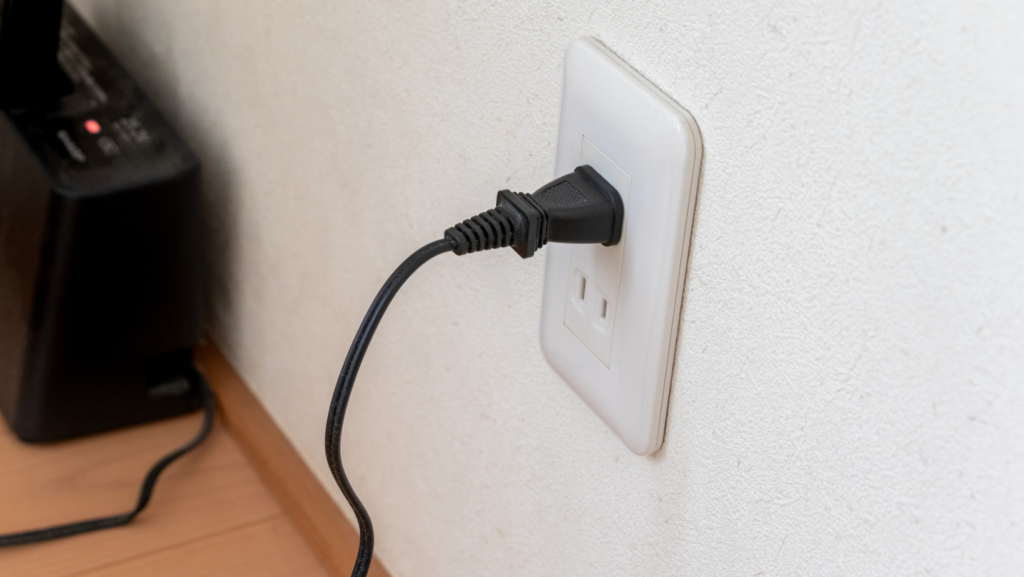
Intermittent power loss is one of the most frustrating electrical problems in modern homes because it can disappear the moment someone tries to test it. Lights may flicker, a circuit may go dead for a few minutes, or an outlet may sometimes work and sometimes fail without any obvious pattern. Modern wiring systems add layers that can mask the cause, including AFCI and GFCI protection, smart switches, LED drivers, and higher load devices that stress connections for longer periods. Many intermittent faults are not caused by a broken wire in the middle of a run, but by a loose connection, a failing device, or a neutral problem that only shows up under load or temperature changes. Because power loss can cause overheating and damage electronics, diagnosis should focus on methodical observation, safe isolation, and verification under real-world conditions rather than quick part swapping. When the process is structured, intermittent problems become trackable, and the true failure point becomes easier to pinpoint.
Find patterns and isolate circuits.
- Common causes that appear only under load
Most intermittent outages are triggered by conditions that change during normal use, such as appliances turning on, cords shifting, or a rise in temperature at a weak termination. Loose connections at receptacles, switches, or junction boxes can expand slightly when warm, creating a brief open circuit, then reconnect when they cool. Back-stabbed receptacle connections are a frequent culprit because they can loosen over time, especially on circuits that feed multiple downstream outlets. Neutral issues are another major cause. A loose neutral can make lights dim or brighten unexpectedly and can drop power to some devices while others still appear to run, creating confusing symptoms. Modern breakers add complexity, too. AFCI breakers may trip due to arc signatures from worn cords or failing appliances.
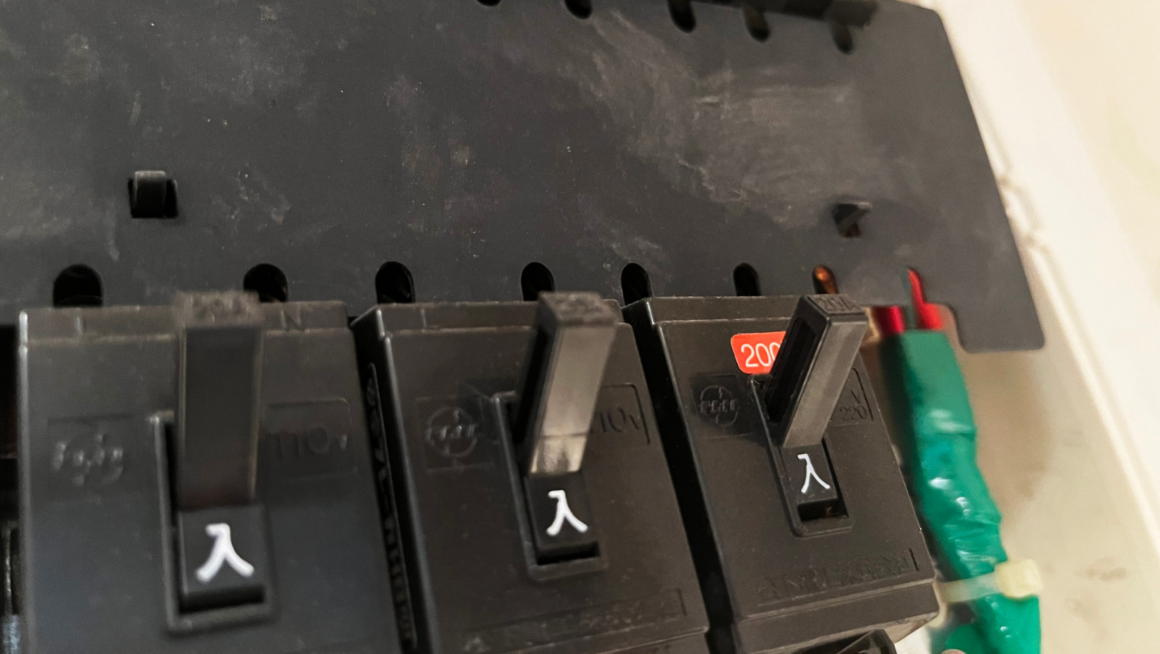
In contrast, GFCI devices may trip due to moisture or shared neutral wiring errors, causing a circuit to appear dead without an obvious failure. LED lighting can amplify the perception of flicker because drivers react quickly to small voltage fluctuations. Diagnosing these causes requires reproducing the issue under controlled load conditions, such as turning on specific appliances or lighting groups while monitoring voltage at the panel and at the suspect devices. The key is to treat the symptom as a clue that something is moving, heating, or reacting to current, not as random bad luck.
- Modern high draw devices that expose weak points
Intermittent power loss is increasingly linked to higher electrical demand from modern equipment. EV chargers, heat pumps, tankless electric water heaters, and induction ranges can draw steady current, exposing weak terminations that might have survived under lighter loads. A circuit may appear fine during low use, then fail when a high-draw device runs long enough to heat a loose connection. This is why electricians often ask what was running when the outage happened and whether the issue occurs at certain times of day. Homeowners who have EV Charging Installations in Vancouver, WA, may notice intermittent flicker or momentary dropouts when charging begins or ramps up, not because the charger is faulty, but because the added load reveals a marginal connection in the panel, meter base, or branch circuit. Voltage drop can also occur if conductors are undersized or if a long run feeds a garage or accessory space, causing sensitive electronics to reset when the voltage dips. Diagnosis in these cases often includes checking lug torque, inspecting breaker seating, verifying conductor sizing, and confirming that load settings match the circuit rating. A long-duration load is valuable for troubleshooting because it pushes the system into conditions where the fault occurs.
- Step-by-step isolation without guesswork
A reliable diagnostic process starts by narrowing the problem from the whole house to a specific circuit, then to a particular segment of that circuit. The first step is identifying whether the outage affects one branch circuit, multiple circuits, or the entire home. If numerous unrelated circuits drop at once, the issue may be at the main breaker, service conductors, or utility connection. If one circuit is affected, map what is on it by noting which outlets, lights, and devices go dead together when the problem occurs. Next, check all GFCI devices, including those in garages, bathrooms, kitchens, and outdoor areas, because a tripped upstream device can turn off downstream outlets and create the illusion of a wiring failure. Modern homes may also have AFCI breakers that trip without tripping the circuit breaker, so confirming the breaker position and resetting it correctly matters. After mapping, the next stage is inspecting common failure points, such as the first receptacle in the run, multi-gang switch boxes, and junctions where multiple cables are spliced. Electricians often look for loose terminals, overheated insulation discoloration, and signs of arcing. Thermal checks can reveal hot spots that appear under load. The process should be repeatable, with notes about what changed and what stayed the same, so the diagnosis becomes evidence-based.
Reliable diagnosis prevents repeat.
Diagnosing intermittent power loss in modern wiring systems requires pattern tracking, controlled load testing, and careful isolation rather than quick guesses. Most faults come from loose connections, neutral instability, or protective device trips that only show up under heat, vibration, or higher demand from modern equipment. High-draw devices, such as EV charging and inverter-driven appliances, can reveal weak points in panels, breakers, and branch circuits, making torque checks and conductor-sizing verification essential. A structured approach using mapping, inspection, voltage monitoring, and targeted tests helps capture the fault as it occurs and trace it to the root cause. When the diagnosis is thorough, and repairs focus on connection integrity and proper circuit design, the system becomes safer, more stable, and far less likely to experience repeated dropouts.